



Industry News, Insider News
CIF vs FOB for Charcoal Wholesale Importers: What’s the Better Deal?
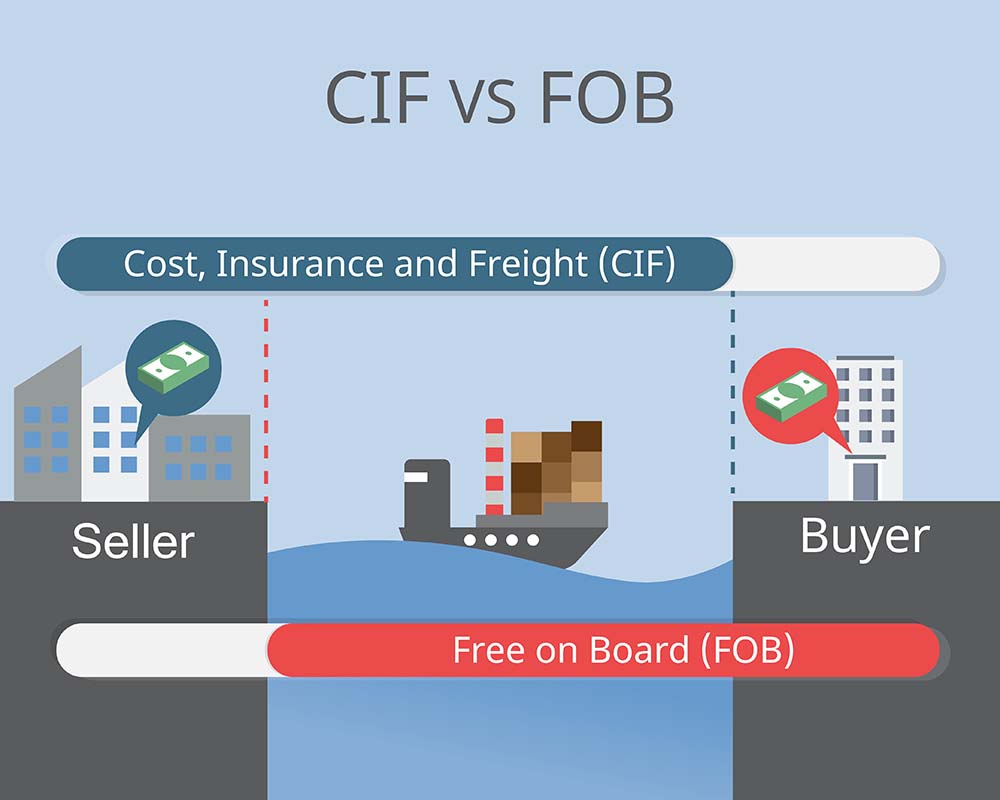
In the charcoal import business, understanding shipping terms is crucial for managing costs, risks, and logistics effectively. Whether you are sourcing charcoal bulk, bulk charcoal briquettes, or bulk bbq charcoal, the choice between CIF (Cost, Insurance & Freight) and FOB (Free on Board) can significantly impact your financial outcomes and supply chain efficiency. This article will provide a comprehensive explanation of these two key shipping terms, analyze their advantages and disadvantages, and offer practical advice to help charcoal importers make informed decisions. We will also highlight how working with reliable charcoal bulk suppliers and wholesale charcoal suppliers can support your import operations.
What Is FOB (Free on Board) in Charcoal Trade?
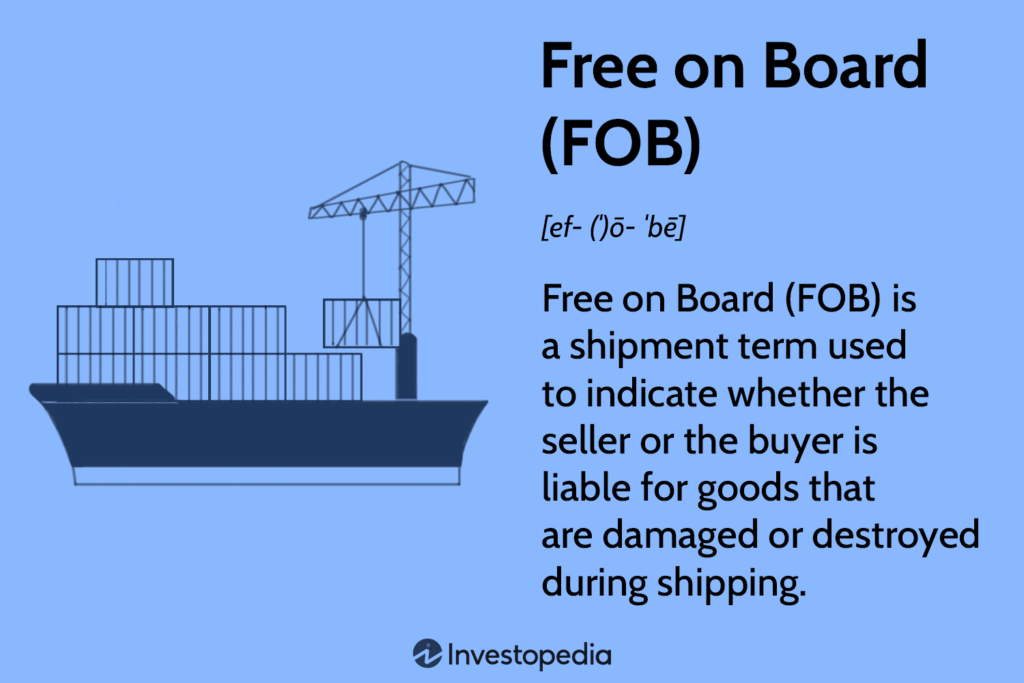
FOB is a shipping term that places responsibility on the seller to deliver goods onto the vessel at the port of shipment. After the goods are loaded, the risk and cost transferred to the buyer.
What is FOB?
FOB (Free on Board) shifts more responsibility to the buyer. Once the goods are loaded onto the ship at the export port, the charcoal manufacturer or charcoal briquettes supplier is no longer liable. From that point forward, it is up to the importer to manage the shipment, insurance, and all costs involved.
FOB in Charcoal Wholesale Trading
Pros of FOB for Charcoal Importers
FOB can be cost-effective for experienced importers. It allows buyers to negotiate their freight and insurance, often securing better charcoal wholesale price options. Those working with established charcoal distributor networks or managing their own charcoal bulk shipping lines often prefer FOB to maintain full control. It’s also a popular choice among local charcoal suppliers who have robust logistics capabilities.
Cons of FOB for Charcoal Importers
The biggest drawback of FOB is the increased workload and risk. If something goes wrong during transit, it’s the buyer’s responsibility. This can be challenging for smaller wholesale briquette suppliers or binchotan charcoal suppliers without dedicated logistics teams.
What Is CIF (Cost, Insurance & Freight) in Charcoal Trading?
What is CIF?
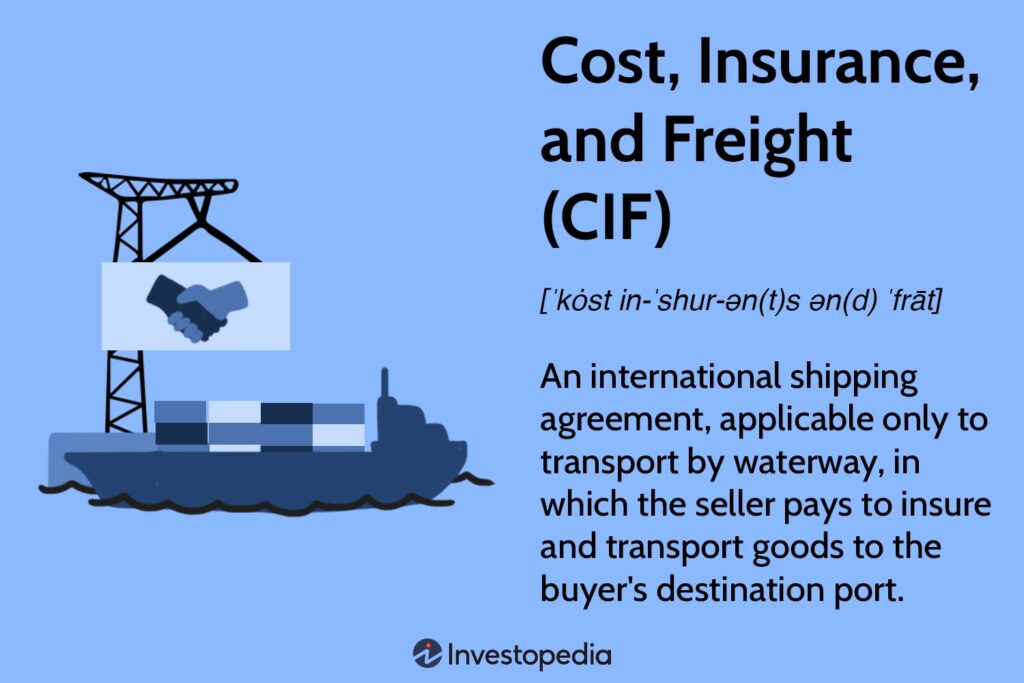
CIF stands for Cost, Insurance, and Freight. This term means that the seller—the charcoal manufacturer or charcoal factory—is responsible for the cost of transporting the goods to the buyer’s port, including insurance and freight charges. For charcoal buyers, particularly those purchasing from charcoal distributor networks or charcoal bulk suppliers, CIF offers peace of mind by simplifying logistics and reducing the number of tasks on their end.
CIF in Charcoal Wholesale Trading
Pros of CIF for Charcoal Importers
For importers dealing in charcoal wholesale or charcoal bulk buy orders, CIF can be advantageous. The supplier handles freight and insurance, minimizing risks related to transit damage or delays. Restaurant charcoal suppliers and briquettes charcoal suppliers often choose CIF to focus more on distribution than on managing shipment logistics.
Cons of CIF for Charcoal Importers
Despite its benefits, CIF may come with a higher charcoal wholesale price due to the markup from the supplier covering logistics and insurance. Moreover, the buyer has less control over which shipping and insurance companies are used, which might affect efficiency and reliability—especially if you’re dealing with time-sensitive products like wholesale charcoal briquettes.
CIF vs FOB: Side-by-S-Side Cost Comparison for a 20ft Container of Charcoal Briquettes
| Cost Component | FOB (Buyer Arranges) | CIF (Seller Arranges) |
| Charcoal Wholesale Price | Base price from charcoal factory or charcoal supplier | Usually higher to include freight and insurance |
| Domestic Transport (Origin) | Buyer pays trucking and port handling fees | Included in seller’s price |
| International Freight | Buyer negotiates and pays directly | Included in seller’s price |
| Insurance | Buyer arranges separately, can select coverage | Included in seller’s price |
| Customs & Inland Transport (Destination) | Buyer pays and manages | Buyer pays and manages |
FOB gives experienced importers more control over shipping and potential cost savings by choosing their own forwarders and insurers. However, it requires familiarity with international logistics. CIF, on the other hand, is a simpler option for beginners, as the seller handles everything up to the destination port. The trade-off is less cost transparency and reduced control. In short, choose FOB if you know the ropes, and CIF if you’re just starting out..
Read more: From Factory to Port: Logistics for Bulk Charcoal Shipments
Which Term Is Safer for First-Time Charcoal Buyers?
For importers who are just starting, especially those purchasing charcoal bulk, wholesale charcoal briquettes, or exploring deals with local charcoal suppliers, choosing the right shipping term is critical. Between CIF (Cost, Insurance, and Freight) and FOB (Free On Board), CIF is usually the safer and more convenient option.
Most charcoal suppliers recommend CIF for first-time buyers because:
-
Lower risk and responsibility: The seller takes care of the entire shipping process until the goods arrive at your destination port.
-
Includes insurance: In case of damage or loss during transit, you’re protected.
-
Less logistical complexity: You don’t need to coordinate with freight forwarders or arrange marine insurance on your own.
-
Saves time and internal resources: Especially useful if your team lacks international shipping experience.
On the other hand, FOB means the buyer takes over responsibility as soon as the goods are loaded on the vessel. While this offers more control and potentially lower shipping costs, it also introduces more risk and requires familiarity with freight arrangements and customs procedures.
Explore more: Why Quality Matters When Choosing a Briquettes Charcoal Supplier
CIF vs FOB: What to Consider When Importing Charcoal Bulk
When choosing between CIF and FOB, here are four key factors to evaluate:
Type of Charcoal Product
Different charcoal types—such as sawdust charcoal bulk, binchotan, or briquettes—may have different packing, container loading, and handling requirements.
-
If you’re working with a charcoal manufacturer or charcoal factory that has strong logistics support, FOB may be efficient.
-
For delicate or high-value charcoal (like binchotan), CIF ensures safer handling with insurance included.
Exporting Country and Supplier Capability
Countries like Vietnam, Indonesia, and Thailand have well-established charcoal factories and export infrastructure.
-
If your charcoal supplier is experienced with international shipments and has reliable freight partners, FOB can work smoothly.
-
If the supplier is smaller or less responsive, CIF may reduce communication and delivery risks.
Read more: Top Countries Exporting Briquettes Charcoal & Best Suppliers to Watch
Order Volume and Frequency
-
For large and regular shipments, FOB may offer long-term cost savings and give your company more control over the supply chain.
-
For small, irregular, or first-time orders, CIF is ideal—it’s straightforward and requires minimal coordination.
Internal Logistics and Supply Chain Readiness
-
If your company has an experienced logistics team, customs brokers, or freight forwarding partners, FOB may suit your operations.
-
If you’re still building your supply chain capacity, CIF allows you to focus on the product while the seller handles transport and insurance.
How Tu Charcoal Supports Both CIF and FOB Buyers
As a reliable charcoal supplier based in Vietnam, Tu Charcoal serves importers worldwide with flexible solutions under both CIF and FOB shipping terms. Whether you’re new to importing or an experienced buyer, we provide the support you need for a smooth and efficient purchasing process.
Product Range
We specialize in premium charcoal products for wholesale buyers, including:
What Makes T Charcoal the Right Supplier
-
Flexible Shipping Terms: We offer both CIF and FOB options, depending on your preference, resources, and market requirements.
-
Complete Export Documentation: All orders include essential export documents like COA, Fumigation Certificate, and MSDS for smooth customs clearance.
-
Logistics Guidance: We help you choose the best shipping method based on your location, order volume, and logistics capabilities.
-
Trusted Freight Partnerships: With strong ties to reliable shipping lines and forwarders, we ensure safe, on-time deliveries and competitive charcoal wholesale prices.
At Tu Charcoal, we combine industry experience with a customer-focused approach—helping our partners manage their charcoal supply chain with confidence and clarity.
Conclusion: Which Shipping Term Is Right for You?
Deciding between FOB and CIF is not just a matter of price—it’s about aligning with your import capabilities and growth strategy.
-
Choose FOB if you:
-
Are an experienced importer with strong logistics partners.
-
Want full control over your shipping, costs, and schedules.
-
Prefer negotiating your own charcoal bulk buy rates directly with shipping agents.
-
-
Choose CIF if you:
-
Are new to international trade or charcoal sourcing.
-
Want a simpler process where the supplier handles all shipping responsibilities.
-
Prefer to minimize risks and avoid dealing with complex logistics.
-
Tu Charcoal supports both approaches, helping you make the right decision based on your business profile. Whether you’re searching for local charcoal suppliers, binchotan charcoal suppliers, or briquettes charcoal suppliers, understanding your shipping options is crucial to long-term success.
Read more: 5 Steps to Choose the Right Charcoal Supplier for Long-Term Partnership
