




Insider News, Products Insights
How Moisture Levels Affect Charcoal Quality and Wholesale Supply
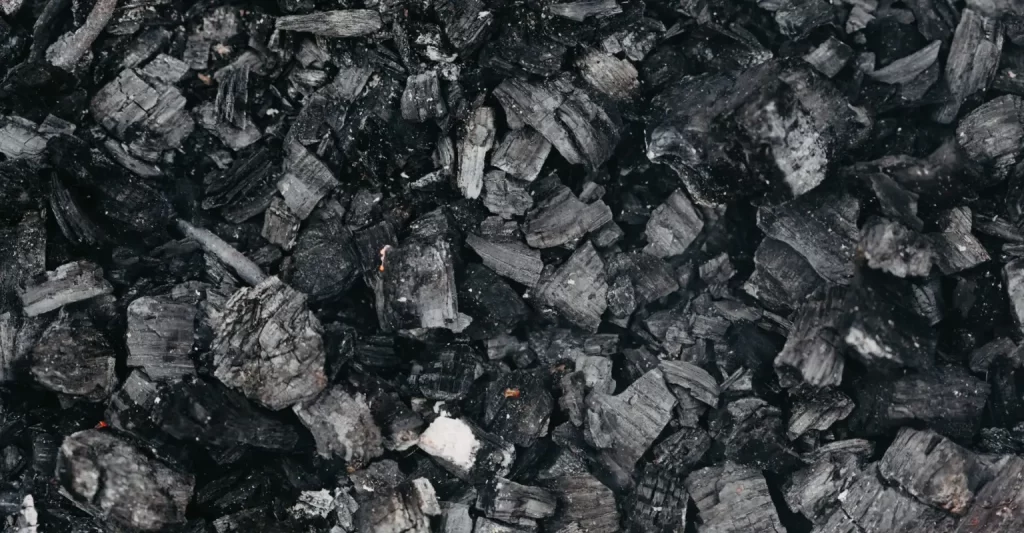
Moisture content is one of the most critical factors that determines the overall quality and performance of charcoal. While many people focus on the size, shape, or type of charcoal they purchase, the level of moisture inside the product can make a dramatic difference in how it burns, the heat it produces, and even the cost efficiency for restaurants or industrial users. Whether you are buying from a charcoal factory, sourcing from international charcoal wholesale suppliers, or simply searching for bulk charcoal for sale, understanding moisture content is essential to making the right choice.
What is Moisture Content in Charcoal?
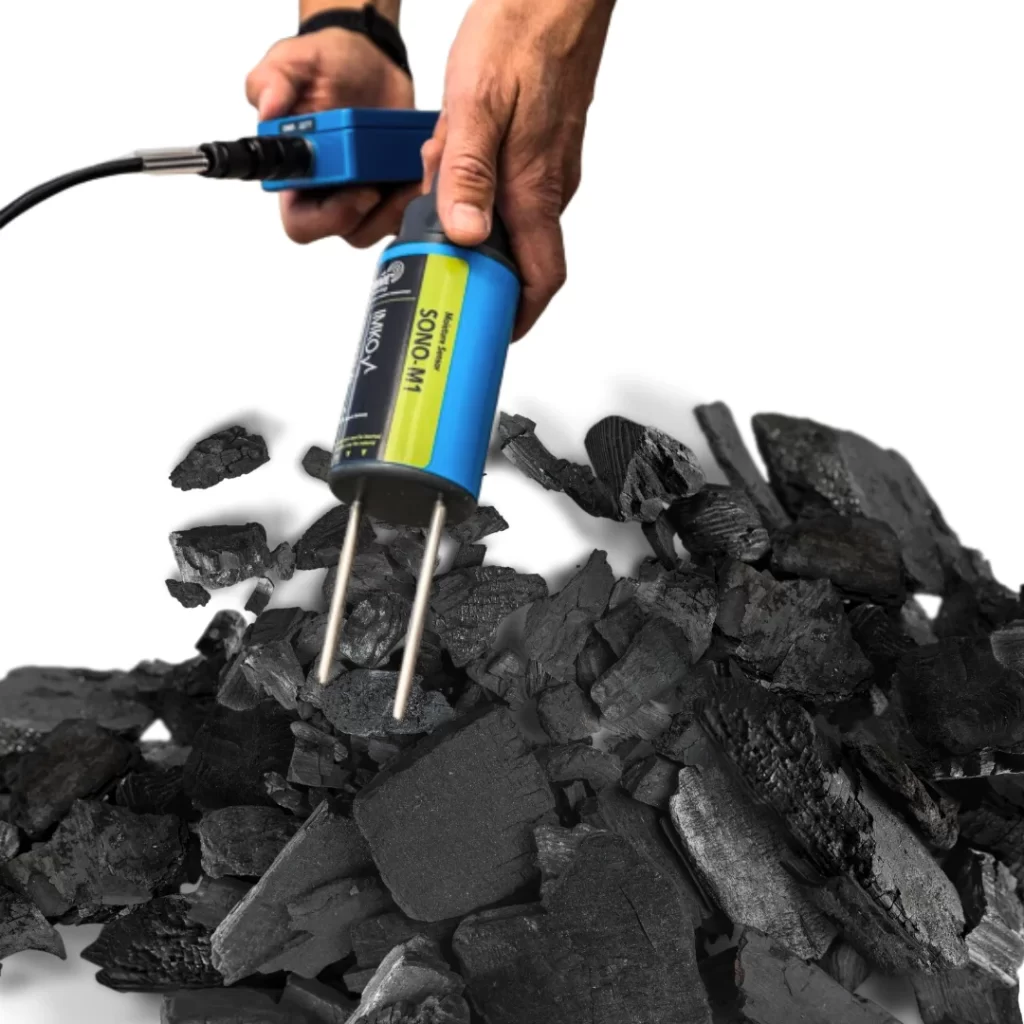
Moisture content refers to the amount of water trapped within a piece of charcoal, expressed as a percentage of its weight. There are two primary types of moisture found in charcoal. Surface moisture exists on the outer layer of the charcoal, often the result of poor storage or exposure to humid environments. Internal moisture, also called bound moisture, is locked inside the carbon structure during production. High-quality charcoal should have low moisture content, usually below 8%, with premium briquettes and shisha charcoal often requiring less than 5%. When a charcoal supplier or briquettes charcoal suppliers advertise their product, they often include moisture content in their specifications because it directly impacts performance.
What is Moisture Content in Charcoal?
How Moisture Content is Measured
Moisture in charcoal can be measured in both laboratories and practical field conditions. In laboratories, the oven-dry method is the most accurate. Charcoal samples are weighed, dried in an oven at controlled temperatures, and weighed again to calculate the exact percentage of water. Some advanced charcoal factory operations use moisture analyzers to speed up the process. In more practical scenarios, buyers or users may notice moisture content through indirect signs. Heavier-than-expected charcoal bags, longer ignition times, or thick white smoke during lighting are all indicators of excess moisture. These quick assessments are especially useful for businesses involved in charcoal bulk buy, as small changes in moisture can add up to significant weight and cost differences across large shipments.
Factors Affecting Moisture Content in Charcoal
Moisture content in charcoal does not occur by chance. It is shaped by a combination of factors throughout the entire production and supply chain. Understanding these influences helps every charcoal supplier and buyer evaluate product quality more accurately, especially when dealing with large volumes through charcoal wholesale channels
The Role of Raw Materials
The raw material used is one of the most important factors that determines moisture levels. Hardwoods such as mangrove or oak usually retain less water after carbonization compared to softwoods. Their density allows for a more complete release of internal moisture during the process, which results in more stable charcoal. For a charcoal supplier offering bulk charcoal briquettes or lump charcoal, choosing high-quality hardwood as the raw material ensures a consistent and reliable product that meets wholesale demand.
Impact of the Carbonization Process
The way charcoal is carbonized inside a factory has a major impact on its final moisture content. If the process is not performed at the correct temperature or duration, the resulting charcoal may carry higher moisture than desired. This inconsistency makes it difficult for briquettes charcoal suppliers to deliver a uniform product in the market. Buyers who rely on bulk charcoal briquettes expect steady burning performance, which can only be guaranteed when the carbonization process is properly managed.
Cooling Methods and Their Effect
The method used to cool charcoal after production is another key factor. Quenching the product with water can stop combustion quickly, but also introduces surface moisture. On the other hand, naturally cooled charcoal tends to remain drier, which makes it more suitable for bulk storage. When dealing with bulk charcoal briquettes or supplying to charcoal wholesale distributors, this difference becomes significant. Products that stay dry are easier to package, store, and ship without losing quality.
Storage and Transportation Challenges
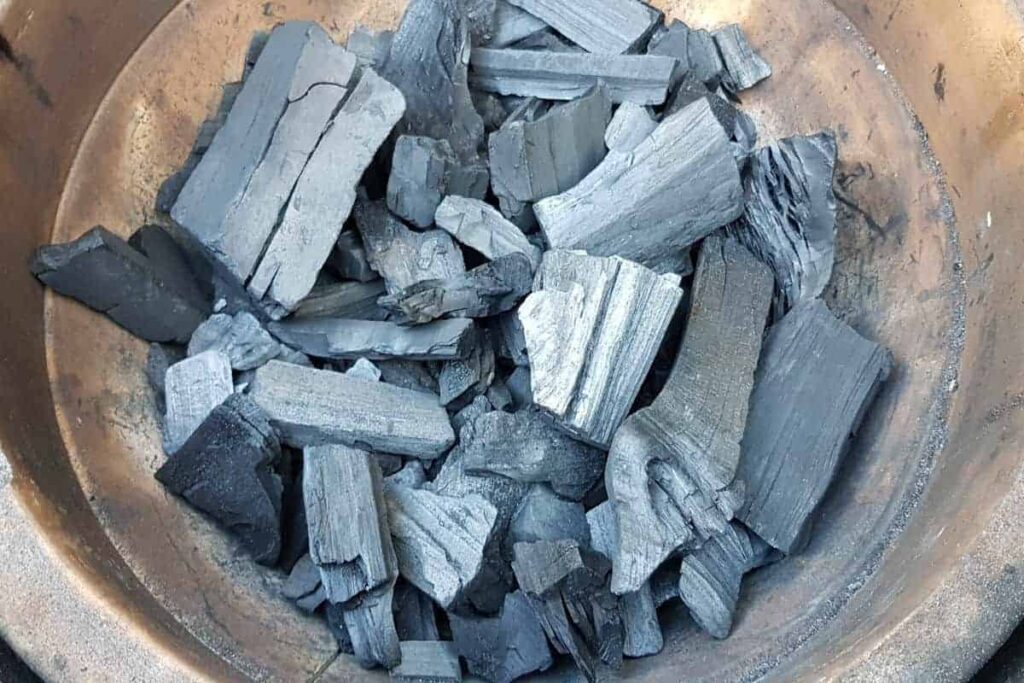
After production, storage and transportation play a decisive role in maintaining moisture levels. Charcoal that is kept in humid warehouses or shipped in poorly ventilated containers can easily absorb water from the environment. This reduces burning efficiency and overall value. For briquettes charcoal suppliers and wholesale distributors, such issues can damage customer trust. Therefore, every professional charcoal supplier must ensure proper packaging and climate-controlled logistics when handling charcoal wholesale shipments. By doing so, they guarantee that bulk charcoal briquettes reach buyers in top condition, maintaining performance and customer satisfaction.
Storage and Transportation Challenges
The Impact of Moisture Content on Charcoal Quality
The effects of moisture content on charcoal quality are immediate and noticeable. Charcoal with high moisture takes much longer to ignite, making it less efficient for restaurants or large events where fast lighting is required. Moisture also lowers the heat value, meaning more charcoal is needed to achieve the same cooking results. This directly affects cost-efficiency, especially for businesses purchasing from charcoal wholesale suppliers or looking at charcoal bulk options. Another negative impact is smoke production. Damp charcoal produces thick white smoke and unpleasant odors, which can ruin the flavor of grilled food and create an uncomfortable cooking environment. Additionally, higher moisture leads to incomplete combustion, leaving more ash behind.
Economic and Practical Impacts
From an economic perspective, high moisture content in charcoal can create hidden losses. Since charcoal is often sold by weight, buyers of bulk charcoal for sale or businesses engaged in charcoal bulk buy may unknowingly pay for water rather than usable fuel. This inflates shipping costs because containers weigh more, yet the usable energy is less. For restaurants that depend on consistent performance, such inefficiencies mean higher expenses and lower customer satisfaction. For charcoal supplier companies, failing to control moisture not only damages customer trust but also reduces competitiveness in the global market.
How to Control and Reduce Moisture Content
Controlling moisture requires attention during production, storage, and transportation. In the production stage, the charcoal factory must ensure the carbonization process is complete and conducted at optimal temperatures. Cooling should be carefully managed to avoid unnecessary water absorption. During packaging, high-quality bags with moisture barriers can significantly extend the shelf life of charcoal. For storage and logistics, charcoal should always be kept in dry, well-ventilated areas, away from direct contact with the ground. When shipping internationally, it is vital to use containers with proper ventilation to prevent condensation. Buyers working with charcoal wholesale suppliers should always confirm that packaging and storage methods meet international standards to avoid losses.
Moisture Content Standards in Different Applications
Different uses of charcoal require different moisture standards. For barbecue charcoal, the ideal moisture content is below 8%, as this ensures fast ignition and steady burning. For shisha briquettes, the requirement is stricter, with moisture needing to stay below 5% to maintain long burning times and clean smoke. Industrial charcoal used in metallurgy or energy production may tolerate slightly higher levels, but efficiency is still better at lower moisture. When sourcing from briquettes charcoal suppliers or international charcoal supplier networks, it is important to check whether the product meets the standards of your application and target market. Buyers who are considering charcoal bulk buy or scanning markets for bulk charcoal for sale must pay special attention to these standards, especially when exporting to demanding regions such as the EU or Middle East.
Conclusion
Moisture content is one of the most overlooked yet most influential factors in determining charcoal quality. It affects ignition time, heat output, smoke production, cost efficiency, and overall user experience. For businesses that rely on charcoal, such as BBQ restaurants or shisha lounges, investing in low-moisture charcoal ensures better performance and savings. When sourcing from a charcoal factory or through charcoal wholesale suppliers, always verify the moisture specifications and storage conditions. This guarantees that every kilogram of charcoal you purchase delivers maximum energy instead of wasted weight. For anyone seeking bulk charcoal for sale or considering a charcoal bulk buy, making moisture content a top priority is the key to consistent quality and long-term success.
Read more: Why Sourcing from a Vietnam Charcoal Factory Beats Local Suppliers
