




Insider News, Products Insights
Reducing Shipping Costs for Bulk Charcoal Wholesale Orders
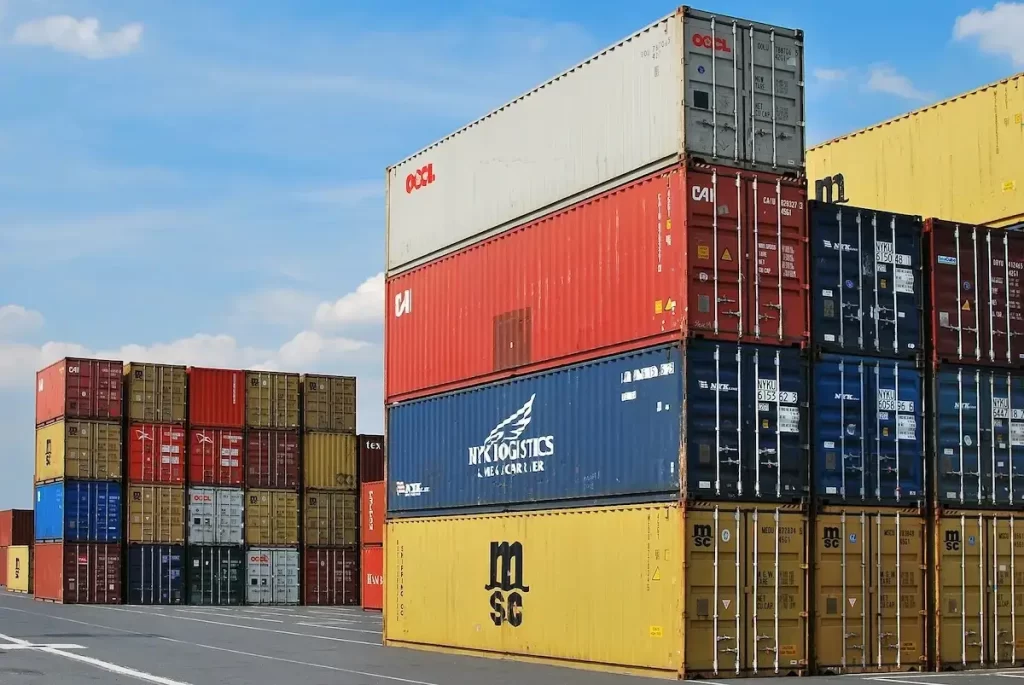
When it comes to the charcoal wholesale industry, one of the most critical cost factors is not only the purchase price of the charcoal itself but also the shipping and logistics expenses tied to transporting large volumes. Whether you are a restaurant owner sourcing bulk BBQ charcoal for daily grilling, a retailer importing products from overseas, or one of the many briquettes charcoal suppliers managing distribution, finding ways to reduce shipping costs can make the difference between a profitable deal and a strained budget.
This article explores proven strategies for lowering transportation costs when purchasing bulk charcoal orders, while also emphasizing how choosing the right charcoal supplier impacts overall efficiency.
Why Shipping Costs Matter in Charcoal Wholesale
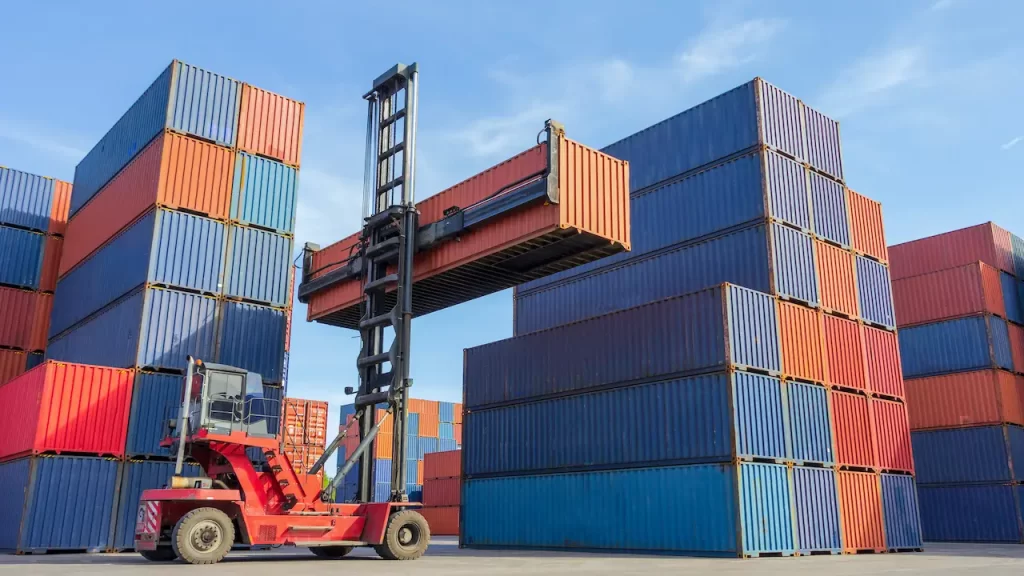
Charcoal is a product with unique logistical challenges. It is bulky, relatively lightweight compared to its volume, and often shipped internationally in containers. These factors make shipping a significant portion of the overall charcoal wholesale price.
For example, a container of wholesale charcoal briquettes shipped from Vietnam to Europe might cost $700 per ton for the product itself, but when ocean freight, handling, insurance, and inland transport are included, the cost per ton could rise by an additional $200–$300. This means shipping alone can account for 25–30% of total expenses.
Why Shipping Costs Matter in Charcoal Wholesale
Thus, for buyers who depend on competitive pricing such as restaurants or wholesale briquette suppliers, optimizing shipping is not optional but essential.
Strategy 1: Consolidate Orders into Bulk Shipments
One of the simplest and most effective ways to reduce costs is to buy in larger volumes. Instead of placing multiple smaller orders, consolidating into bulk BBQ charcoal shipments allows buyers to take full advantage of container space.
For instance, a 20ft container can typically carry around 20–21 tons of charcoal briquettes, while a 40ft container can handle up to 26–27 tons depending on packaging. Shipping a half-empty container leads to wasted space and inflated costs per ton. By consolidating orders, you reduce the shipping cost per unit and improve overall efficiency.
Strategy 2: Optimize Packaging and Palletization
Packaging directly impacts shipping costs. Charcoal is often packed in 5kg, 10kg, or 15kg bags, which are then stacked into cartons and loaded onto pallets. Poor packaging design can result in underutilized container space, increasing the effective cost per ton.
By working with a charcoal supplier who understands export logistics, you can redesign bag and box dimensions to maximize the number of bags per pallet. This improves stacking efficiency, reduces air gaps inside containers, and lowers shipping costs. Some briquettes charcoal suppliers also offer vacuum-packed or compressed packaging to further save space.
Strategy 3: Negotiate with Freight Forwarders and Charcoal Suppliers
Freight rates fluctuate depending on the season, fuel costs, and global logistics demand. However, long-term contracts or working with freight forwarders that specialize in bulk commodities can result in significantly better rates.
Additionally, some charcoal suppliers who ship large volumes monthly can negotiate shipping discounts with carriers and extend those savings to their clients. This is where building strong supplier relationships pays off your charcoal wholesale price can effectively drop if your supplier has the right freight connections.
Strategy 4: Consider FOB vs. CIF vs. CNF Pricing
When importing from a charcoal factory overseas, buyers need to decide whether to purchase under FOB (Free on Board), CIF (Cost, Insurance, Freight), or CNF (Cost and Freight) terms. Each option shifts responsibility for shipping and insurance between buyer and seller.
For example:
- FOB: Buyer arranges shipping, often leading to flexibility in choosing the lowest-cost forwarder.
- CIF: Seller arranges both freight and insurance—better for buyers who prefer simplicity, but sometimes more expensive.
- CNF: Seller arranges freight, buyer covers insurance.
Smart buyers compare these options to ensure they are not overpaying for logistics. For large wholesale charcoal briquettes orders, even a $20 per ton difference in shipping can translate into thousands of dollars in savings.
Explore more: CIF vs FOB for Charcoal Wholesale Importers: What’s the Better Deal?
Strategy 5: Leverage Local Charcoal Wholesale Hubs
In some cases, sourcing charcoal from regional distribution hubs instead of importing directly can reduce costs. For example, if you are a restaurant chain in the Middle East, it might be more efficient to buy from wholesale briquette suppliers who already import in bulk and stock in local warehouses.
Although the charcoal wholesale price might be slightly higher due to distributor margins, the savings in international freight, customs clearance, and storage can offset the difference.
Comparison Table: Shipping Strategies and Savings
| Strategy | Impact on Costs | Example Savings (per ton) |
| Consolidated bulk shipments | High | $30–$50 per ton |
| Optimized packaging | Medium | $15–$25 per ton |
| Negotiating with freight forwarders | High | $20–$40 per ton |
| Choosing FOB vs. CIF vs. CNF | Medium | $10–$30 per ton |
| Using local wholesale hubs | Medium | $20–$35 per ton |
Strategy 6: Plan Shipments Around Seasonal Trends
Global freight rates are highly seasonal, with peak rates often occurring before major holidays (such as Christmas or Lunar New Year) when shipping demand spikes. Importers of wholesale charcoal briquettes who plan purchases during off-peak seasons can save significantly.
For example, wholesale briquette suppliers who stockpile inventory ahead of high-demand months avoid inflated rates and ensure a consistent supply.
Strategy 7: Explore Multi-Modal Logistics
Sometimes the cheapest route isn’t a straight line. Combining sea freight with rail or trucking can reduce costs, especially for landlocked destinations. For example, shipping to Central Europe might be cheaper via a seaport in Eastern Europe combined with rail transport rather than shipping to Western Europe ports.
Working with an experienced charcoal distributor or supplier who understands these routes can unlock savings.
Final Thoughts: Partnering with the Right Charcoal Supplier
Reducing shipping costs is not just about logistics—it’s about building relationships with the right charcoal supplier who has the expertise, network, and flexibility to support your business. From optimizing packaging to negotiating freight rates, an experienced partner can help you achieve consistent supply at competitive prices.
For restaurants, retailers, and wholesale briquette suppliers, shipping can account for a large portion of overall costs. By consolidating shipments, optimizing packaging, and making smart freight decisions, businesses can reduce expenses and improve profit margins.
If you are looking for a reliable partner to support your charcoal wholesale needs, consider working with a supplier who not only delivers high-quality bulk BBQ charcoal but also understands the complexities of international shipping. The right partnership ensures not just a better charcoal wholesale price, but also long-term savings across your supply chain.
Read more: Bulk BBQ Charcoal: Choosing the Right Grade for Grills and Restaurants
