


Industry News, Insider News
Step by Step Guide to Making Binchotan Charcoal from Wood to White Charcoal
Binchotan charcoal, also known as white charcoal, is one of the most valued types of charcoal in the world. Originating from Japan, this charcoal is recognized for its clean burn, metallic resonance when struck, and the ability to elevate the culinary experience in both casual and fine dining. Today, restaurants, barbecue chains, and even households are looking for reliable binchotan charcoal suppliers to ensure a steady supply of this premium fuel.
Beyond grilling, binchotan has expanded into areas such as water purification, odor absorption, and wellness products. This article provides a step by step guide on making binchotan charcoal, with a special focus on how Vietnamese hardwoods such as eucalyptus, coffee wood, and lychee wood are being used to produce high quality alternatives to Japanese binchotan charcoal. By the end, you will understand not only the production process but also why many businesses now turn to Vietnam to buy binchotan charcoal wholesale.
What is Binchotan Charcoal?
Binchotan charcoal is often referred to as white charcoal due to its pale, almost silvery surface. When two pieces are struck together, they emit a clear metallic sound, unlike ordinary lump charcoal or compressed briquettes. While lump charcoal burns quickly and briquettes are more affordable, binchotan charcoal burns significantly longer, produces minimal smoke, and retains the natural flavor of grilled ingredients.

What is Binchotan?
These qualities make binchotan the best choice for restaurants and professional chefs who demand precision in their cooking. Whether you are sourcing Japanese binchotan charcoal or considering binchotan charcoal wholesale from Vietnam, the defining factor is always its purity and ability to deliver a consistent, high temperature for grilling. For those searching for the best binchotan charcoal for grilling, it is important to understand not only its benefits but also the craftsmanship behind its production.
Choosing the Right Wood for Binchotan in Vietnam
Eucalyptus Wood
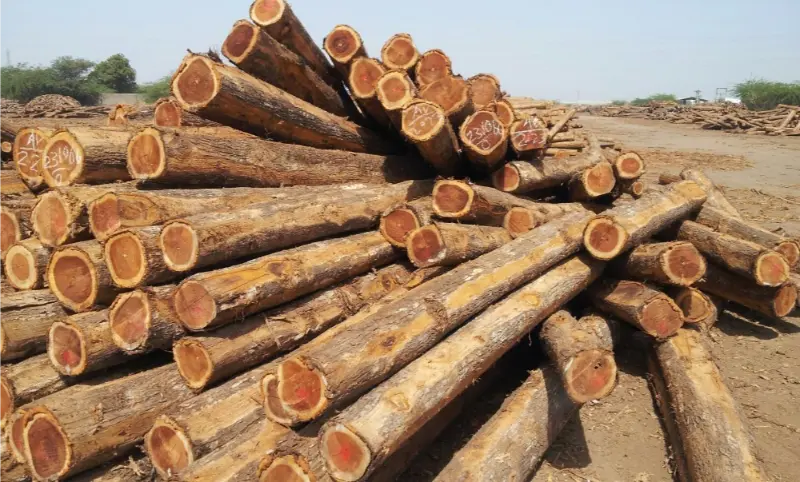
Eucalyptus is the most abundant hardwood for binchotan charcoal wholesale in Vietnam. With moderate to high density and wide availability, it’s the backbone for many eucalyptus charcoal supplier programs. The wood dries faster than fruitwoods, helping stabilize moisture before carbonization. Good producers sort logs by density and grain to ensure consistent quality.
Eucalyptus Wood
Eucalyptus binchotan burns with steady heat and low smoke, making it ideal for chain restaurants and high-volume kitchens. It’s often the pragmatic choice for buyers who want to buy binchotan charcoal in bulk at competitive prices. When sourcing, bulk buyers should check fixed carbon, ash, and moisture levels. Reputable charcoal suppliers in Vietnam provide lab results and samples, ensuring quality at scale.
Lychee Wood
Lychee wood is the closest Vietnamese alternative to ubame oak, producing dense, hard binchotan white charcoal comparable to Japanese standards. With proper drying and high-temperature firing, it delivers the signature hardness and white finish that mark premium binchotan.
It burns long, clean, and intensely—ideal for yakiniku, fine dining, and professional grilling where consistency matters. While lychee binchotan charcoal price is higher than eucalyptus, it remains more affordable than Japanese imports. Serious buyers should request burn time data, density metrics, and certificates. Trusted charcoal suppliers in Vietnam can secure reliable wholesale supply for this premium grade.
Coffee Wood
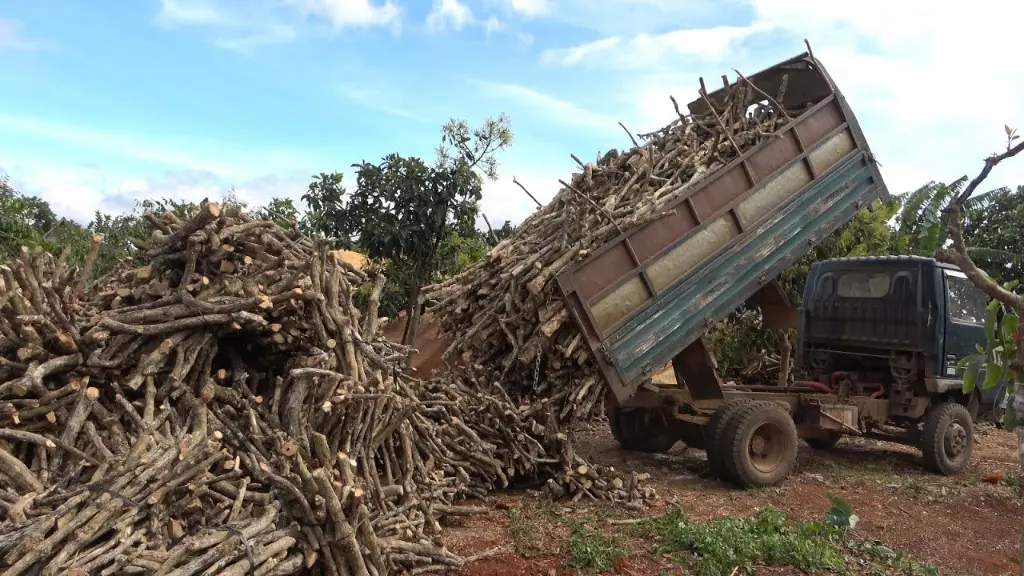
Coffee wood transforms old or pruned coffee trees into dense, aromatic binchotan for sale. It’s a boutique option for restaurants and retailers seeking a distinctive grilling profile. Producers adapt kiln firing to preserve subtle aromas while avoiding tar residues, making each batch reproducible and premium.
Coffee Wood
Coffee binchotan is valued for its gentle aroma that lightly infuses grilled foods. Chefs use it to differentiate menus, while distributors position it as a higher-priced specialty product. Bulk buyers should request aroma and performance samples, along with traceability from plantation to final charcoal. Though binchotan charcoal price is higher than eucalyptus, it offers stronger retail margins as a premium SKU.
Step by Step Guide to Making Binchotan Charcoal
Step 1: Preparing the Wood
The process begins by cutting eucalyptus, coffee, or lychee wood into uniform lengths. These logs are then left to air dry for weeks or months, allowing moisture content to drop. Proper drying is essential because excess moisture affects the binchotan charcoal price and quality during carbonization.
Step 2: Building the Kiln
Traditional kilns in Japan were made from clay, but in Vietnam producers now use brick or steel kilns to ensure consistent heating. The design and insulation of the kiln are critical factors that influence the final quality of the charcoal. A well-designed kiln is a hallmark of a professional binchotan charcoal supplier.
Step 3: Carbonization at Low Temperature
The dried logs are slowly heated to 200–400°C in low oxygen conditions. This stage allows volatile compounds to escape, gradually transforming wood into black charcoal. Patience at this stage is vital, as rushing can compromise the integrity of the charcoal.
Step 4: High Temperature Firing
Once the initial carbonization is complete, the temperature is raised to 1000–1200°C. This intense heat purifies the charcoal, leaving behind almost pure carbon. The result is the characteristic hardness of binchotan charcoal. It is during this stage that producers carefully monitor oxygen levels to prevent combustion.
Step 5: Quick Oxidation – From Black to White
The hot charcoal is removed and immediately covered with ash or sand to cool it quickly. This rapid process gives binchotan its distinctive white surface, setting it apart from ordinary black charcoal. This is the defining step that transforms regular carbonized wood into binchotan white charcoal.
Step 6: Sorting and Packaging
After cooling, the binchotan is sorted based on size, density, and sound. High grade pieces are carefully packaged for export. This is where many charcoal suppliers in Vietnam differentiate themselves by offering custom branding, retail packaging, or wholesale packaging to meet international demand. Whether you are a restaurant, a distributor, or a business looking to buy binchotan in bulk, this step ensures that every shipment is consistent.
Quality Check of Binchotan Charcoal
The quality of binchotan charcoal is judged through several professional tests. The most traditional method is the sound test: when two sticks are tapped together, premium binchotan white charcoal should ring with a clear, metallic tone, showing its density and purity. A dull or muffled sound often signals lower carbonization or hidden cracks.
Visual inspection is equally important. High quality binchotan has a smooth, silvery-white surface created by rapid oxidation at the end of firing, while the interior should be uniformly black and extremely dense. Poorly made charcoal may show uneven coloring, visible cracks, or excessive ash content.
Burn tests also help determine performance. Trusted buyers evaluate ignition time, burn duration, heat intensity, and smoke output. Authentic binchotan burns steadily for several hours, producing consistent heat without sparks or odors. For bulk importers and distributors, lab analysis is often requested to verify fixed carbon percentage (usually above 90%), ash content, and moisture levels before confirming large shipments.
Customers carefully compare the binchotan charcoal price against these benchmarks. A reliable binchotan charcoal supplier in Vietnam will always provide test results, performance samples, and transparent quality checks before listing binchotan for sale.
Applications of Binchotan Charcoal
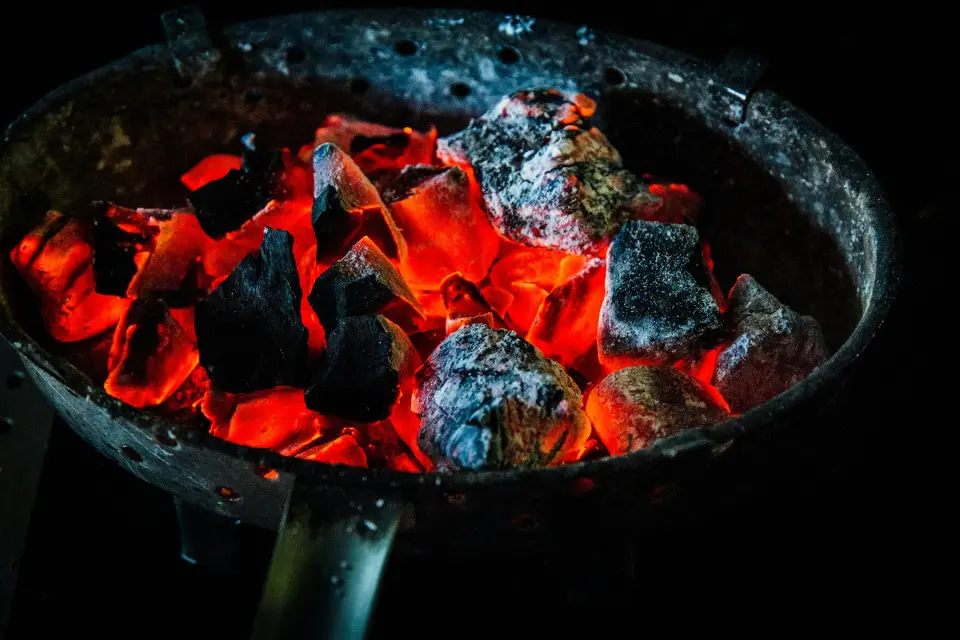
The most recognized application of binchotan charcoal is premium grilling. High-end restaurants, yakitori bars, and BBQ chains prefer it because it burns hotter and longer than lump or briquette charcoal. Its clean combustion enhances natural flavors of beef, seafood, and vegetables without smoke contamination. Many chefs consider it essential for achieving authentic Japanese-style grilling.
Applications of Binchotan Charcoal
Beyond culinary use, binchotan has found a strong market in lifestyle and wellness industries. Its microporous structure makes it highly effective at water filtration, removing chlorine and heavy metals while releasing trace minerals. Placing binchotan sticks in refrigerators helps neutralize food odors, while in wardrobes or living spaces it acts as a natural dehumidifier.
The versatility of binchotan for sale expands its appeal beyond restaurants into retail, wellness, and eco-friendly markets. For distributors, this means a diverse customer base, from BBQ chains to lifestyle stores. In charcoal wholesale, the product is positioned not just as fuel, but as a premium multifunctional commodity with high resale value.
Challenges in Producing Binchotan
Producing authentic binchotan white charcoal is both art and science. The carbonization process can take several weeks, requiring precise control of temperature stages. During the low-temperature phase, oxygen must be carefully restricted to allow wood to carbonize slowly. Later, at peak temperatures above 1000°C, the kiln master must monitor airflow within seconds to prevent the wood from either underburning or turning into ash. Even minor mistakes can ruin an entire batch.
Another challenge is sourcing sustainable raw materials. Unlike common lump charcoal made from mixed wood scraps, binchotan demands dense hardwoods. In Vietnam, eucalyptus, coffee, and lychee wood have become viable alternatives to the ubame oak used in Japanese binchotan. However, ensuring consistent quality requires careful selection, seasoning, and sorting of logs before firing.
These production difficulties explain why authentic binchotan commands a higher binchotan charcoal price compared to regular charcoal. Yet with Vietnam’s abundant supply and growing expertise, international buyers now see the country as a competitive source. For importers and distributors, working with a trusted binchotan charcoal supplier in Vietnam is essential to secure stable supply while balancing quality, cost, and sustainability.
Conclusion
From selecting the right wood to achieving the iconic white surface through quick oxidation, making binchotan charcoal is a labor intensive but rewarding process. Vietnamese hardwoods such as eucalyptus, coffee, and lychee have proven to be excellent alternatives to traditional oak, helping Vietnam become a trusted hub for binchotan charcoal wholesale.
For restaurants, BBQ chains, and distributors, it is vital to partner with a trusted binchotan charcoal supplier who can guarantee consistent quality and competitive binchotan charcoal price. Whether you are looking to buy binchotan charcoal in small batches or secure large shipments for export, Vietnam offers reliable options that can rival Japanese binchotan. With increasing global demand for binchotan charcoal for grilling and other uses, now is the time to connect with a reputable charcoal supplier in Vietnam and secure your supply of the best binchotan charcoal for sale.
Read more: Where to Buy Binchotan Charcoal for Grilling Wholesale Options
