




Insider News, Products Insights
Top 10 Tips for Storing Charcoal Bulk Orders for Wholesale Buyers
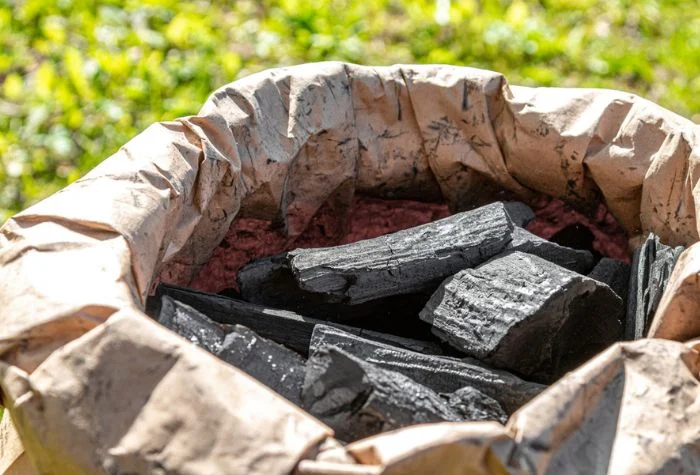
For restaurants, distributors, and global buyers, securing bulk BBQ charcoal from a reliable charcoal supplier is only half of the equation. The real challenge often lies in how to store large shipments properly to ensure maximum shelf life, consistent performance, and minimized loss. Many businesses investing in charcoal wholesale overlook the importance of storage and end up with damaged briquettes, moisture problems, or wasted inventory.
In this guide, we share 10 proven storage tips designed specifically for wholesale buyers, importers, and distributors who handle wholesale charcoal briquettes and other bulk orders. Whether you’re sourcing from briquettes charcoal suppliers in Vietnam, Indonesia, or Africa, these tips will help protect your investment and keep your customers satisfied.
Store in a Dry and Ventilated Environment
Moisture is the number one enemy of charcoal. When bulk BBQ charcoal absorbs humidity, it loses ignition speed, produces excess smoke, and becomes brittle. Wholesale buyers should allocate a dedicated storage area with good airflow and low humidity levels. Warehouses with concrete flooring and elevated pallets are highly recommended.
If you purchase from a charcoal factory, ask whether the briquettes are shipped in moisture-proof packaging. This reduces the risks during long-distance shipping and storage.
Use Pallets to Keep Charcoal Off the Ground
Direct contact with the floor can expose your wholesale charcoal briquettes to moisture seepage, especially during rainy or humid seasons. Pallets not only keep your goods dry but also make handling easier for forklifts and warehouse staff.
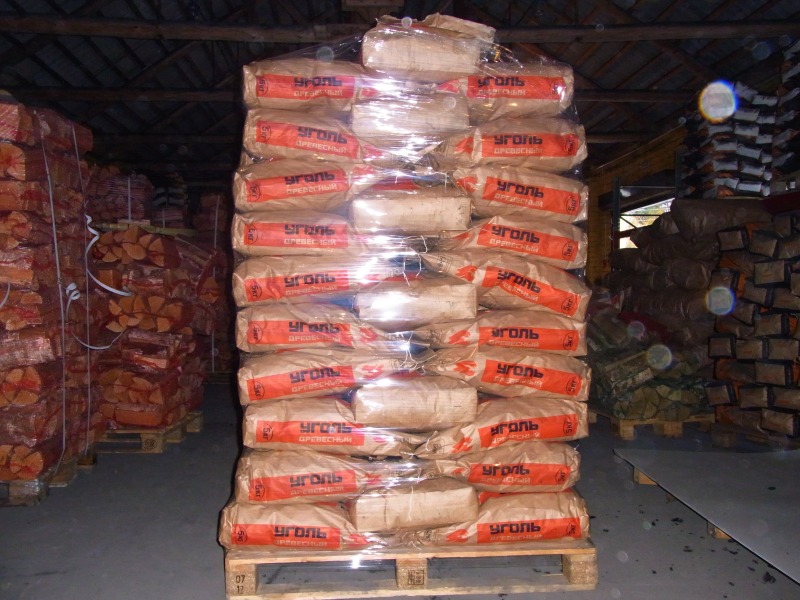
Use Pallets to Keep Charcoal Off the Ground
Wholesale buyers working with multiple shipments should always standardize pallet storage—it improves both efficiency and product protection.
Protect Against Direct Sunlight
While moisture is harmful, excessive heat or sunlight can also damage charcoal. Overexposure can cause briquettes to crack, crumble, or lose their density. Importers storing bulk BBQ charcoal for long periods should avoid open-air facilities. Instead, opt for shaded, insulated warehouses.
Invest in Proper Packaging Solutions
A good charcoal supplier will already provide export-grade packaging. However, wholesale buyers may need to reinforce packaging when storing for several months. Consider:
- Using double-layer bags (plastic inside, kraft paper outside).
- Applying stretch film or shrink wrap on pallets for extra sealing.
- Custom bulk packaging for wholesale briquette suppliers who need private labeling.
This reduces the risks of infestation, dust leakage, or environmental damage.
Rotate Stock Using FIFO (First In, First Out)
Just like food products, charcoal should follow a FIFO system. The first shipment stored should be the first shipped out to customers. This prevents old stock from sitting too long and ensures buyers receive the freshest, most consistent wholesale charcoal briquettes.
For distributors managing several containers of charcoal wholesale, FIFO is non-negotiable for inventory management.
Monitor Humidity and Temperature Levels
Professional distributors often install hygrometers in their warehouses to keep track of storage conditions. Maintaining a humidity level below 60% is crucial. If you operate in tropical or coastal regions, invest in dehumidifiers.
Importers often complain about fluctuating charcoal wholesale prices due to storage losses. Proper monitoring helps minimize wastage and keep your margins strong.
Avoid Frequent Handling of Pallets
Excessive moving can break bulk BBQ charcoal bags or weaken briquettes. Limit unnecessary handling and use professional equipment for stacking and loading.
If you buy from briquettes charcoal suppliers, ask them to standardize pallet sizes. This makes logistics smoother and reduces risk during unloading.
Store Away from Chemicals and Odorous Goods
Charcoal is highly absorbent. If stored near chemicals, fuels, or strong-smelling products, it can absorb odors and compromise cooking quality. Restaurants and distributors sourcing wholesale charcoal briquettes for food use must keep storage facilities clean and chemical-free.
Plan Storage According to Volume
Importers often underestimate warehouse capacity when placing large charcoal bulk buy orders. Overcrowding can damage pallets, restrict airflow, and complicate handling.
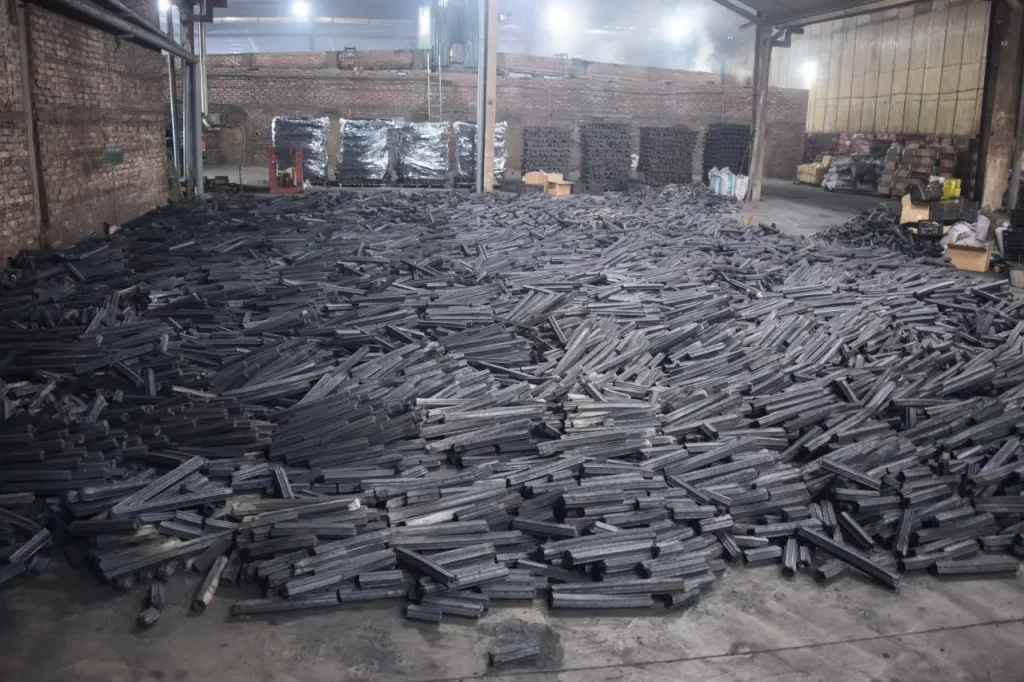
Plan Storage According to Volume
Before finalizing a container shipment, calculate available space in your warehouse. A single 40ft container of briquettes can carry up to 25 tons of charcoal, requiring strategic stacking and spacing.
Establish Long-Term Partnerships with Trusted Suppliers
Even the best storage practices won’t help if the product arrives in poor condition. Choosing dependable briquettes charcoal suppliers and wholesale briquette suppliers ensures that your bulk orders are properly dried, packed, and fumigated before shipping.
A strong partnership with a reputable charcoal supplier not only secures product quality but also guarantees a stable supply and a competitive charcoal wholesale price.
Case Study: How a Wholesale Buyer Improved Storage and Saved 15% on Costs
One of our long-term clients, a Middle Eastern restaurant chain that regularly imports bulk BBQ charcoal and wholesale charcoal briquettes, was facing serious issues with product damage during storage. They purchased from multiple briquettes charcoal suppliers, but improper warehouse conditions caused up to 20% of their stock to become unusable due to moisture absorption and mold.
After switching to Tu Charcoal as their dedicated charcoal supplier, we implemented strict storage guidelines, including:
- Using wooden pallets to avoid direct floor contact.
- Adding silica gel packs inside containers for moisture control.
- Monitoring warehouse humidity levels below 60%.
- Improving ventilation in bulk storage areas.
Within three months, the client reported:
- A 15% reduction in storage-related losses, saving thousands of dollars.
- Lower overall costs thanks to more stable charcoal wholesale price and packaging optimized for bulk storage.
- Easier logistics planning, as Tu Charcoal provided export-ready documentation and guided them through customs clearance.
By working with a reliable wholesale briquette supplier, the restaurant chain not only improved product longevity but also streamlined its supply chain. This case highlights the importance of proper storage practices and choosing the right partner when handling wholesale charcoal briquettes at scale.
Final Thoughts
Proper storage of charcoal wholesale shipments is not just about protecting your inventory—it’s about protecting your business reputation. Restaurants, distributors, and retailers rely on consistent quality, and poor storage can ruin the experience for end-users.
If you are sourcing from Vietnam or other leading markets, working with a reliable charcoal supplier is the first step. But the second, equally important step, is applying these 10 storage strategies to ensure that every ton of your bulk BBQ charcoal arrives at customers in perfect condition.
By mastering both sourcing and storage, wholesale buyers gain an edge in negotiating better deals, reducing waste, and ensuring long-term growth in the competitive charcoal market.
Read more: Charcoal Bulk Buying Guide: What Importers Need to Know Before Ordering
