




Industry News, Insider News
The Ultimate Guide to Buying Wholesale Lump Charcoal for Your Business
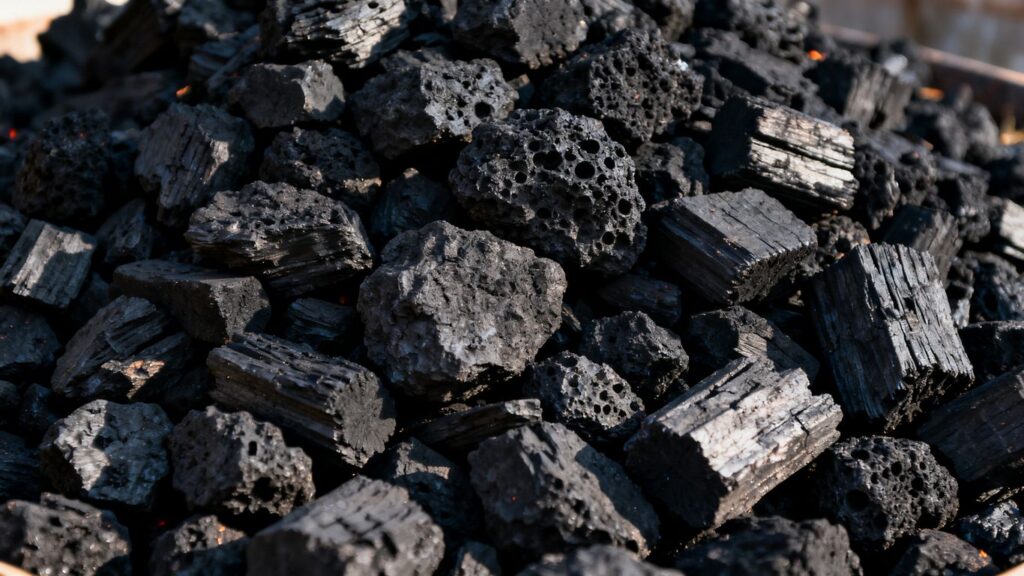
So, you’re thinking about buying wholesale lump charcoal for your business. It’s a smart move, especially if you’re in the food service industry. Getting it in bulk can save you money and make sure you always have what you need on hand. But where do you start? There’s a lot to think about, from the type of charcoal to how you’ll store it. This guide is here to help you figure it all out, so you can get the best charcoal without any headaches.
Key Takeaways
- Understand what makes restaurant-grade wholesale lump charcoal different from what you find in regular stores, focusing on size and quality.
- Know that the type of hardwood used in wholesale lump charcoal really matters for heat and flavor, so pick wisely for your cooking style.
- Buying in larger quantities usually means better prices, but watch out for deals that seem too good to be true – they often hide extra costs.
- Figure out the best way to store and handle your bulk charcoal orders, especially considering your local weather, to keep it in good shape.
- Partnering with a good wholesale lump charcoal supplier can guarantee you have stock, simplify your buying process, and help build trust with your customers.
Understanding Your Wholesale Lump Charcoal Needs
When you’re running a business that relies on consistent, high-quality heat, the type of charcoal you use matters. It’s not just about throwing some coals on the fire; it’s about performance, flavor, and your bottom line. We know that as a professional griller or a business owner, you need fuel that performs reliably, batch after batch. That’s where understanding your specific needs comes into play.
Distinguishing Restaurant-Grade Fuel from Retail Options
Think about the charcoal you see in small bags at the grocery store. That’s usually designed for occasional backyard use. Restaurant-grade charcoal, on the other hand, is built for the demands of commercial kitchens. It needs to light faster, burn hotter, and produce less ash. We focus on producing charcoal that meets these professional standards, like our Binchotan, which is known for its incredibly long burn times and intense, clean heat. This isn’t your average bag of charcoal; it’s fuel engineered for consistent performance under pressure.
Evaluating Carbon Density and Burn Duration for Commercial Use
For businesses, burn time and heat output are critical. You don’t want your fuel running out mid-service or struggling to maintain temperature. Higher carbon density generally means a longer, hotter burn. Our premium hardwood lump charcoal, for instance, is dense and provides a consistent, high heat that’s perfect for searing and quick cooking. We aim for fuel that gives you predictable results, so you can focus on your culinary creations, not on managing the fire. A single shipment of low-grade charcoal filled with dust and small pieces can spike your commercial fuel costs significantly compared to premium hardwood.
The Impact of Charcoal Quality on Your Bottom Line
Poor quality charcoal can be a hidden cost. Excessive dust means waste and mess. Inconsistent burn times can lead to wasted fuel and unpredictable cooking, impacting both food quality and labor. Choosing high-quality, natural lump charcoal, like the kind we produce at Tu Charcoal, means less waste, more efficient cooking, and a better final product. This translates directly to better profit margins and happier customers. We believe in providing fuel that works as hard as you do.
Navigating the Wholesale Lump Charcoal Market
Finding the right wholesale lump charcoal supplier is more than just picking the cheapest option. It’s about building a partnership that supports your business’s needs, from consistent quality to reliable delivery. For professional kitchens and businesses that depend on high-heat cooking, the charcoal you use directly impacts your food, your customers’ experience, and your bottom line. We understand this, and as a premium Vietnamese manufacturer, we focus on providing exceptional charcoal that meets these demands.
Key Criteria for Selecting Reliable Suppliers
When you’re looking for a wholesale supplier, think about what really matters for your operation. It’s not just about the price per bag; it’s about the total value and reliability. Here are some things to consider:
- Product Consistency: Does the charcoal burn the same way every time? Consistent heat output and burn duration are vital for professional kitchens where timing is everything. We pride ourselves on the consistent quality of our Binchotan charcoal, known for its incredibly high heat and long burn times.
- Supply Chain Reliability: Can they deliver when you need it, especially during busy seasons? Stockouts can be costly. Look for suppliers with a proven track record of on-time deliveries and good inventory management. We work hard to maintain a stable supply chain so you can count on us.
- Quality Assurance: What standards does the supplier follow? For us, this means using only premium hardwood and employing meticulous manufacturing processes. Our charcoal is smokeless and odorless, ensuring it enhances, not interferes with, the natural flavors of your food.
- Customer Service: How responsive are they to your questions and needs? A good supplier acts like an extension of your team. We believe in collaborative relationships and are always ready to discuss your specific requirements.
The cost of low-quality charcoal can be surprisingly high. Think about wasted product, inconsistent cooking times leading to unhappy customers, and the extra labor needed to manage subpar fuel. Investing in premium charcoal from a reliable source often pays for itself through better performance and fewer headaches.
Understanding Premium Hardwood Species for Commercial Cooking
Not all hardwoods are created equal when it comes to charcoal. The type of wood used significantly affects the charcoal’s performance. For commercial cooking, especially when aiming for high heat and clean burning, certain species stand out. We specialize in hardwoods that provide superior results. For instance, our Binchotan charcoal, made from dense hardwoods, is renowned for its extreme heat output and exceptionally long burn time, often lasting for hours without needing frequent replenishment. This makes it ideal for demanding cooking applications where consistent, intense heat is paramount. We also offer sustainable alternatives that provide excellent performance without compromising environmental values.
The True Cost of ‘Too Good To Be True’ Pricing
It’s tempting to go for the lowest price, but that often comes with hidden costs. Charcoal that’s priced significantly lower than the market average might be made from lower-quality wood, contain more dust and small pieces (which burn too quickly and create excess ash), or even include unwanted additives. These issues can lead to:
- Inconsistent Heat: Making it difficult to cook food evenly and on time.
- Increased Waste: More dust and small pieces mean you’ll burn through charcoal faster.
- Flavor Interference: Additives or impure wood can impart undesirable tastes to your food.
- Higher Shipping Costs: If the charcoal is mostly dust, you’re paying to ship air and ash.
We believe in transparency and quality. Our pricing reflects the superior materials and meticulous production processes that go into creating our premium, natural charcoal. We aim to provide the best value, not just the lowest price.
Optimizing Your Bulk Charcoal Procurement Strategy
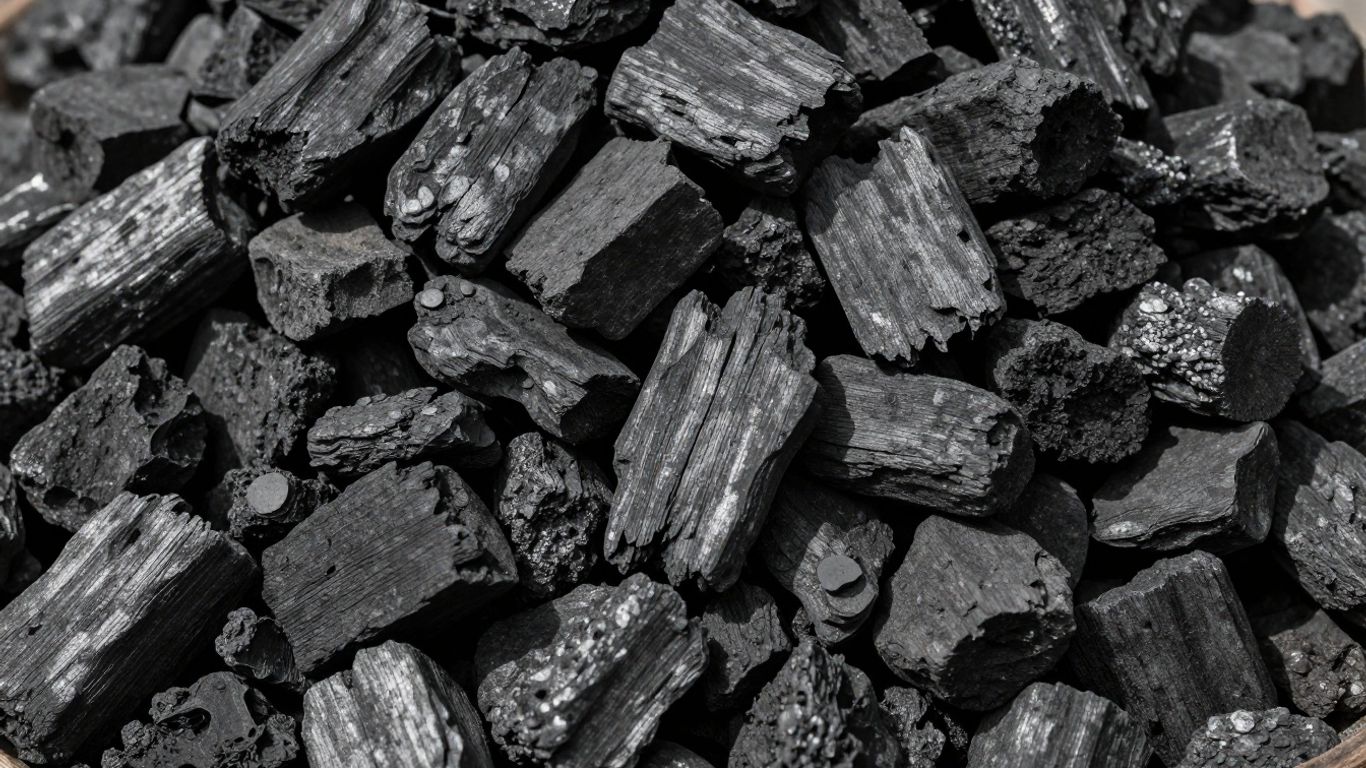
Buying charcoal in large quantities might seem straightforward, but getting it right can really make a difference for your business. It’s not just about getting a lower price per bag; it’s about making sure you always have what you need, when you need it, and that the quality stays consistent. We’ve learned a lot about this, especially with our premium Binchotan and sustainable briquettes from Vietnam. Smart procurement means better margins and happier customers.
Optimizing Your Bulk Charcoal Procurement Strategy
Maximizing Value Through Volume Commitments
When you commit to larger orders, suppliers are usually more willing to offer better pricing. Think of it like buying in bulk at the grocery store, but on a much bigger scale. This doesn’t just mean a lower price per pound; it can also open doors to other benefits. For instance, some suppliers might offer more flexible payment terms or even help with shipping costs if you’re making a significant commitment. It’s about building a relationship where both sides see the benefit. We see this often with our international clients who plan their orders ahead.
- Negotiate based on total volume: Don’t just focus on a single order. Discuss your projected needs for the year.
- Explore tiered pricing: Understand how prices change at different volume levels.
- Consider long-term contracts: These can lock in prices and supply, especially valuable if you anticipate price increases.
The true cost of charcoal isn’t just the sticker price. You need to factor in how long it burns, how much heat it produces, and how much ash it leaves behind. High-quality charcoal, like our smokeless and odorless options, might have a slightly higher upfront cost, but it often performs better and reduces waste, making it more economical in the long run.
Securing Consistent Supply and Avoiding Stockouts
Running out of charcoal during a busy service or a holiday rush is a nightmare. That’s why a solid procurement strategy includes planning for consistency. Working with reliable suppliers means you can count on them to deliver, even when demand is high. For businesses in different climates, this is even more important. We work with clients across the globe, and understanding seasonal demand is key to making sure their charcoal supply chain stays robust.
- Communicate your demand forecast: Give your supplier a heads-up on your expected needs, especially during peak seasons.
- Understand lead times: Know how long it takes from placing an order to receiving it.
- Have a backup plan: Identify a secondary supplier if possible, just in case.
Leveraging Supplier Incentives and Volume Discounts
Beyond just the base price, many suppliers offer incentives for bulk purchases. These can come in many forms, from discounts on future orders to reduced shipping fees or even help with marketing materials if you’re reselling. When you’re looking at suppliers, especially those from regions like Vietnam known for their charcoal production, ask about what extra benefits they provide for large orders. It’s these little extras that can add up and significantly improve your bottom line. We’re always happy to discuss how we can support our partners with competitive pricing and support.
Logistics and Storage for Wholesale Lump Charcoal
Getting your hands on premium lump charcoal in bulk is one thing, but keeping it in top condition until it hits the grill is another. Proper logistics and storage aren’t just about having enough fuel; they’re about maintaining the quality that your customers expect, especially when you’re dealing with high-performance fuels like our Binchotan or sustainable briquettes.
Efficient Storage and Handling of Bulk Orders
When you receive a large order of charcoal, the first thing to think about is where it’s going to live. Charcoal, especially natural lumpwood, is porous. This means it can absorb moisture from the air. Keeping your charcoal dry is the absolute number one rule. Moisture is the enemy of good charcoal; it lowers its heat output, increases smoke, and generally makes it perform poorly. Think of it like a sponge – if it’s wet, it won’t absorb anything else, and it certainly won’t burn as efficiently.
- Location, Location, Location: Find a dry, well-ventilated space. A shed, a dry corner of a warehouse, or even a covered outdoor area can work, as long as it’s protected from rain and humidity. Avoid damp basements or areas prone to flooding.
- Stacking Smart: If you’re dealing with pallets, make sure they’re not directly on the ground. Use pallets or blocks to keep the charcoal bags elevated. This helps with air circulation and prevents moisture wicking up from the floor.
- Handling with Care: Bulk orders can be heavy. If you’re moving pallets, a forklift or pallet jack is a must. If you’re dealing with individual bags, make sure you have a system for moving them without damaging the packaging. Damaged bags are more susceptible to moisture.
The goal here is simple: protect the charcoal from the elements and make sure air can circulate around it. This keeps it burning hot and clean, just like it’s supposed to.
Ensuring Consistent Supply in Your Local Climate
Your local climate plays a big role in how you need to store your charcoal. If you’re in a humid coastal area, moisture is going to be a constant battle. If you’re in a dry desert climate, you might worry less about humidity but still need to protect it from the occasional rain shower or dew.
- Humidity Control: In very humid areas, consider using dehumidifiers in your storage space or ensuring extra ventilation. Sometimes, even bringing charcoal inside a climate-controlled building during the wettest months can be a good idea.
- Temperature Swings: While charcoal is pretty robust, extreme temperature fluctuations aren’t ideal. Try to store it in a place with a relatively stable temperature.
- Pest Control: Make sure your storage area is also free from pests that might chew through bags or contaminate the product.
Planning Delivery Schedules for Peak Season Demand
Timing is everything, especially when you’re running a business that relies on a steady supply of fuel. You don’t want to run out of charcoal during your busiest periods. Working with a reliable supplier like Tu Charcoal means we can help you plan.
- Forecasting: Look at your sales data from previous years. When are your busiest times? Plan your larger orders to arrive a few weeks before these peak periods.
- Regular Deliveries: For ongoing needs, setting up a regular delivery schedule can be more efficient than placing ad-hoc orders. This helps you maintain consistent stock levels without over-ordering and taking up too much space.
- Communication is Key: Keep your supplier informed about your upcoming needs. If you know you have a big event or a holiday rush coming up, give them a heads-up. This allows them to prepare and guarantee your supply. We pride ourselves on being a dependable partner for your business, offering consistent quality and supply.
The Advantages of Partnering with Wholesale Charcoal Suppliers
Working with a dedicated wholesale charcoal supplier is more than just buying in bulk; it’s about building a relationship that supports your business growth. When you partner with a reliable supplier, you gain access to benefits that go beyond just a lower price per bag. It simplifies your operations and helps you serve your customers better.
Ensuring Guaranteed Stock Availability
One of the biggest headaches for any food business is running out of a key ingredient, especially during peak times. Partnering with a wholesale supplier means you’re a priority customer. They manage their production and inventory with your needs in mind, which helps prevent those stressful stockouts. This consistent supply chain means you can keep your grills hot and your customers happy, no matter the season. It’s about having the fuel you need, when you need it, without the last-minute scramble.
Simplifying Procurement Processes
Think about how much time is spent placing orders, tracking shipments, and managing invoices for smaller purchases. When you buy wholesale, you consolidate these tasks. Instead of multiple small orders, you have one or a few larger ones. This cuts down on administrative work significantly. Your team can focus more on cooking and customer service, rather than on the logistics of ordering charcoal. It’s a more efficient way to manage your supplies, freeing up resources for what really matters.
Building Trust and Reliability with Your Customers
Your customers expect a certain quality and consistency from your food. If you’re using premium charcoal, like our high-heat Binchotan or clean-burning briquettes, you’re already setting yourself apart. A wholesale partnership helps you maintain that standard. It means you can consistently use the best fuel, which translates to better flavor and a healthier cooking environment – something you can proudly share with your patrons. This reliability builds trust, making customers return again and again. It’s about delivering a superior experience, every single time. We believe in creating strong, collaborative relationships that go beyond simple transactions, acting as true business partners to help you succeed. These suppliers act as business partners.
Choosing the right wholesale partner means you’re not just buying charcoal; you’re investing in consistency, efficiency, and a better product for your customers. It’s about having a reliable source for premium fuel that supports your brand and your bottom line.
Enhancing Your Brand with Premium Wholesale Lump Charcoal
Marketing Your Kitchen as ‘Chemical-Free’
In today’s food scene, customers are paying more attention to what goes into their food, and that includes how it’s cooked. Using 100% natural lump charcoal is a simple yet powerful way to market your kitchen. It means no artificial additives or chemicals are involved in the cooking process. This is a big selling point for health-conscious diners. You can highlight this on your menus or through social media. It’s a clean way to cook, and people appreciate that.
The Flavor and Health Benefits of Natural Charcoal
When you use good quality lump charcoal, you’re not just cooking food; you’re adding a distinct flavor. Natural hardwood charcoal, especially premium types like Binchotan, imparts a subtle smokiness that can’t be replicated. It burns hot and clean, which means less smoke and a pure taste. This high heat also helps to sear meats perfectly, locking in juices. For businesses like yours, this translates to a better product for your customers. We focus on producing charcoal that burns smokeless and odorless, so the only flavor comes from your ingredients and the wood itself. This is why sourcing from a reliable manufacturer is key. We offer premium hardwood lump charcoal that meets these high standards.
Private Labeling Opportunities for Brand Differentiation
Partnering with a manufacturer like us opens up opportunities for private labeling. This means you can put your own brand name on our high-quality charcoal. It’s a great way to build your brand identity and offer a unique product to your customers. Imagine your restaurant’s logo on bags of premium charcoal that your customers can even buy to use at home. It adds another layer to your brand and can be a nice revenue stream. We can work with you to create custom packaging that fits your brand’s look and feel. This allows you to stand out from competitors and offer something truly your own.
Exploring Specialized Charcoal Varieties for Your Business
When you’re looking to stock your business with the best, it’s worth checking out the different kinds of lump charcoal available. Not all charcoal is created equal, and the type you choose can really make a difference in your cooking and your customers’ experience. We at Tu Charcoal focus on premium options that bring a lot to the table.
The Premium Performance of Lumpwood Charcoal
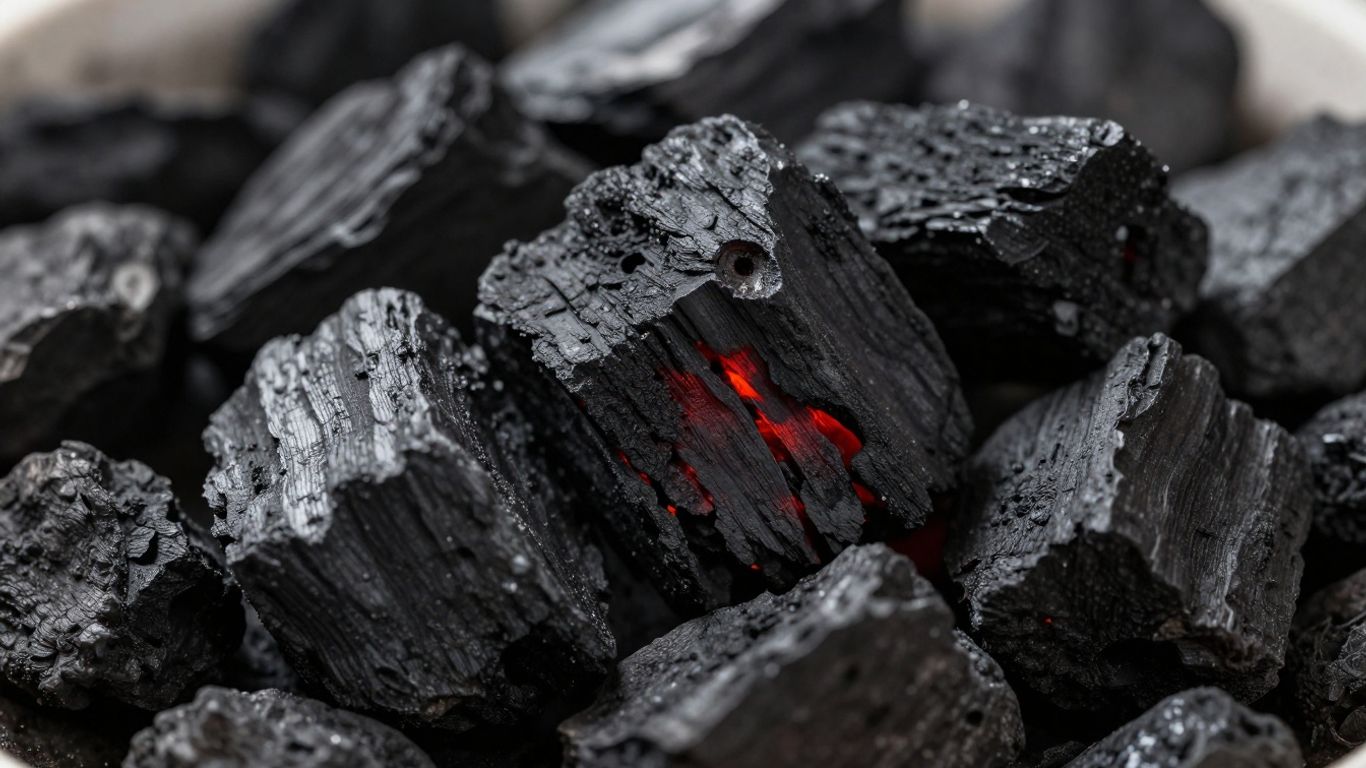
Lumpwood charcoal is basically pure hardwood, burned down without any extra stuff added. This means it lights up fast and gets really hot, which is great for busy kitchens. It burns clean, too, so you don’t get weird smells or flavors messing with your food. This natural, additive-free quality is a big selling point for restaurants aiming for a ‘chemical-free’ image. For professional grillers, this translates to better control over cooking temperatures and less ash to deal with. We produce lumpwood charcoal that’s known for its high heat and long burn times, making it a reliable choice for demanding commercial use. If you’re looking for a top-tier fuel that performs consistently, lumpwood is the way to go. You can find more details on bulk purchasing considerations for various charcoal types at.
The Premium Performance of Lumpwood Charcoal
Sustainable Alternatives Like Coconut Shell Charcoal
Beyond traditional wood, there are some really interesting sustainable options popping up. Coconut shell charcoal is one of them. It’s made from a waste product of coconut processing, which is a win for the environment. It burns hotter than regular wood charcoal and provides a good amount of energy. This is a fantastic choice if your business wants to highlight its eco-friendly practices. It’s a way to offer a premium product while also being mindful of the planet. We’re exploring ways to bring more sustainable options to market, recognizing the growing demand for environmentally responsible grilling fuels.
Industrial and Specialty Applications Beyond Cooking
While most of our clients are in the food service industry, it’s good to know that charcoal has other uses too. Some types of charcoal are used in things like water purification or even in metalworking. These applications often need very specific qualities, like consistent size or purity. For businesses that might have a unique need, or if you’re looking to diversify, understanding these specialized uses can be eye-opening. It shows just how versatile charcoal can be. If you’re interested in exploring high-quality, smokeless, and odorless charcoal for any application, including specialized ones, we encourage you to connect with us at Tu Charcoal. Visit tucharcoal.com to learn more about our product range and how we can support your business needs.
Wrapping It Up: Your Path to Better Charcoal
So, we’ve gone through a lot about buying charcoal in bulk for your business. It’s not just about grabbing the cheapest bag you see. We talked about how quality really matters, especially when you’re running a busy kitchen or a shop. Getting the right kind of lump charcoal means happier customers and less hassle for you. Think about what you need – how hot does it get, how long does it burn, and where does it come from? Partnering with a good supplier, like Tu Charcoal, who knows their stuff and can deliver consistently, is a big deal. They can help you get the best product without all the headaches. It’s about building a solid relationship so you always have what you need, when you need it. Here’s to many successful cooks and happy customers!
