


Industry News, Insider News
Vietnam vs Indonesia: Finding the Right Charcoal Briquettes Manufacturer to Partner With
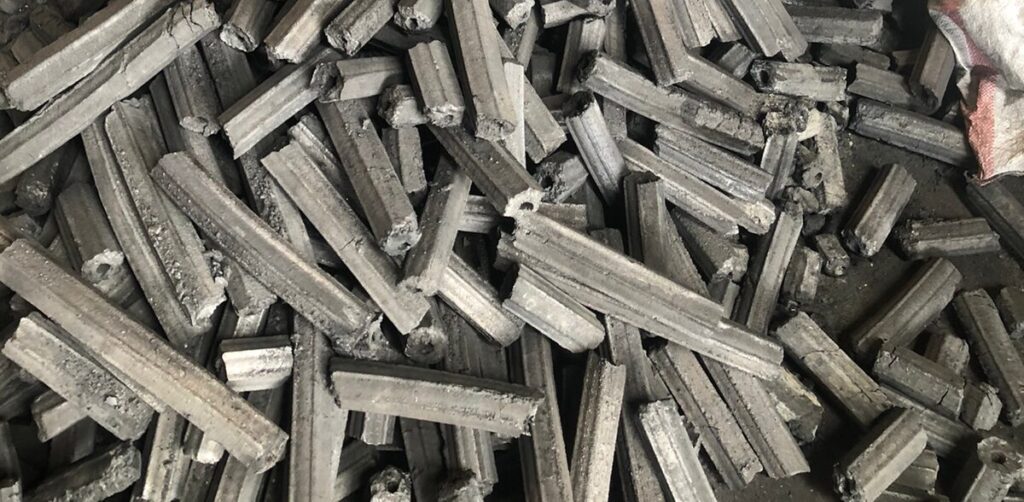
Indonesia and Vietnam sit at the top of almost every list of major charcoal exporting countries, and for good reason. Indonesia alone accounts for roughly a quarter of global charcoal exports, driven largely by its coconut shell industry, while Vietnam has spent the past decade building a diversified export sector that now reaches more than twenty countries. For a buyer trying to decide where to place a container order, the comparison is not simply about who is bigger. It comes down to raw material, product range, quality consistency, and how each country’s supplier base is structured. This article walks through the practical differences buyers should understand before choosing between the two, from raw material sourcing all the way through pricing, certification, and private label capability.
Distributors who have sourced from both countries often describe the decision less as picking a winner and more as matching each country to the right part of a product lineup. Understanding where each market genuinely excels, rather than relying on general reputation, is what separates a smooth long term supply relationship from a string of one off orders with inconsistent results.
Raw Material Base: Coconut Shell vs Sawdust and Bamboo
The starting point for any comparison between these two countries is the raw material each relies on, since it shapes everything from pricing to product category.
Indonesia’s Coconut Shell Dominance
Indonesia’s charcoal export industry is built almost entirely around coconut shell, a byproduct of the country’s vast coconut plantations. This gives Indonesian charcoal briquettes manufacturers an enormous, low cost raw material supply, and it explains why the country dominates the coconut shell briquette category used heavily in shisha and hookah markets across the Middle East, as well as certain BBQ applications that favor coconut shell’s dense, low ash burn profile. For buyers specifically looking for coconut shell briquettes wholesale, Indonesia is difficult to beat on price and volume.
Vietnam’s Byproduct Driven Supply Chain
Vietnam takes a different approach, drawing on sawdust and offcuts from its large furniture manufacturing sector along with fast growing bamboo and select hardwood species like longan, eucalyptus, and khaya. This raw material mix means Vietnamese briquettes charcoal suppliers are not tied to a single input, which tends to produce more stable pricing when one raw material source faces a temporary shortage. It also opens the door to a far broader product catalog than coconut shell alone can support, spanning economy sawdust briquettes all the way up to binchotan style white charcoal.
Product Diversity and Market Positioning
Raw material differences translate directly into how each country positions itself in the global charcoal briquettes wholesale suppliers market.
Indonesia’s Shisha and Low End BBQ Focus
Indonesia’s product lineup, while extremely competitive on price, tends to concentrate around coconut shell briquettes and general purpose hardwood lump charcoal. This makes Indonesia an excellent fit for distributors whose customer base is price sensitive, such as high volume shisha lounges or budget focused BBQ retailers. Buyers looking to buy briquettes in bulk purely on a cost basis, without needing a premium product tier, often find Indonesian suppliers hard to match on landed cost per ton.
Vietnam’s Broader Catalog from Briquettes to Binchotan
Vietnam’s charcoal briquettes manufacturers typically offer a wider spread across price tiers within a single factory relationship, from economy wholesale charcoal briquettes through mid tier hardwood lump charcoal and up to premium binchotan white charcoal favored by high end restaurants. This breadth matters most to distributors who want to serve multiple customer segments, retail, hospitality, and premium dining, without managing several separate supplier relationships across different countries. A single Vietnamese charcoal briquettes wholesale suppliers contract can often replace what would otherwise require sourcing from two or three specialized factories elsewhere.
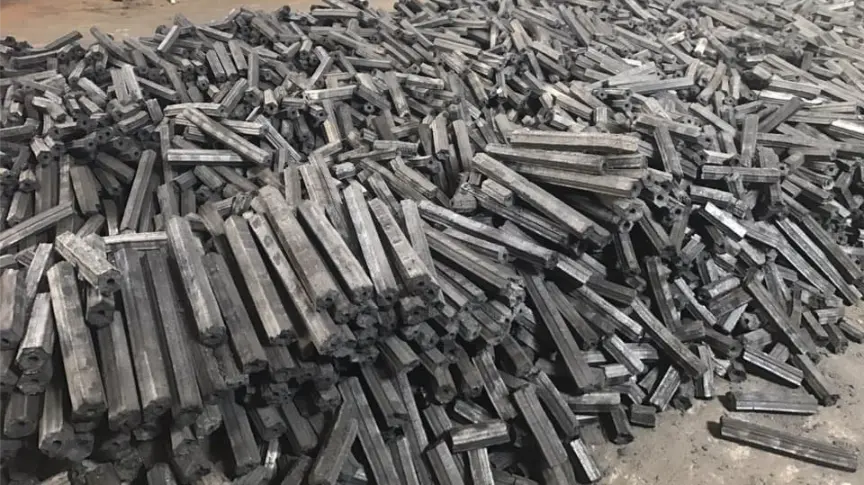
Vietnam’s Broader Catalog from Briquettes to Binchotan
How Market Size and Competition Affect Quality Consistency
Bigger is not always better, and Indonesia’s massive supplier base illustrates that clearly.
Indonesia’s Fragmented Supplier Base
Indonesia is home to hundreds of active charcoal briquettes distributors and factories, which keeps prices aggressively competitive but also introduces real quality variation. Because entry barriers into coconut shell briquette production are relatively low, buyers frequently encounter inconsistent ash content, moisture levels, and packaging standards between factories, even within the same price range. This makes supplier vetting significantly more important in Indonesia than in markets with fewer, more established players, and buyers should expect to test multiple suppliers before settling on a long term partner.
Vietnam’s More Controlled Factory Landscape
Vietnam’s charcoal export sector, while still competitive, tends to be built around a smaller number of larger, more established factories that have invested heavily in export infrastructure, certification, and quality control systems. This does not mean every Vietnamese supplier is automatically reliable, but the overall consistency across established players tends to be higher, and certification coverage, including FSC and ISO standards, is more widespread among the factories that actively pursue EU and premium market buyers.
How Pricing and MOQs Shape Private Label Options
Price is rarely the only factor, but it remains central to any sourcing decision, alongside how flexible each country’s suppliers are on order size and branding.
Comparing Landed Cost
Indonesian coconut shell briquettes generally carry a lower factory gate price than Vietnamese sawdust or hardwood products, reflecting the lower cost of raw material. However, buyers should calculate full landed cost rather than comparing FOB prices alone, since freight routes, customs handling, and compliance documentation fees can narrow or even reverse the apparent price gap once a shipment actually clears port. For buyers evaluating a briquettes bulk buy decision purely on unit economics, running both scenarios side by side with real freight quotes is essential before assuming Indonesia is automatically cheaper overall.
Private Label Flexibility
Both countries offer private label services, but Vietnamese factories, given their broader product range and stronger export documentation culture, tend to offer more comprehensive private label packages covering custom packaging, multilingual labeling, and logo printing across multiple product tiers from a single supplier. Indonesian private label options are widely available as well, particularly for coconut shell briquettes, though buyers wanting private label across a mixed catalog spanning several charcoal types may find it easier to consolidate that work with a single Vietnamese charcoal briquettes wholesale suppliers partner.

Private Label Flexibility
Shipping Routes and Documentation Requirements
Logistics rarely gets the attention it deserves in early sourcing conversations, yet it can quietly determine which country actually delivers the better total value.
Port Access and Transit Reliability
Both Indonesia and Vietnam ship regularly to major destinations across the Middle East, Europe, and East Asia, and transit times from either country are broadly comparable, usually falling in a four to six week window depending on the destination port. Indonesia’s export volume to the Middle East, driven heavily by coconut shell demand for shisha markets, has produced well established shipping lanes and freight pricing in that direction, while Vietnam has built increasingly strong routes toward the EU and East Asia alongside its traditional Middle East trade.
Compliance Paperwork for Regulated Markets
Buyers shipping into the EU or other markets with strict timber legality rules should pay close attention to how each country’s suppliers handle documentation. Vietnamese charcoal briquettes manufacturers exporting to Europe have, on the whole, adapted more quickly to FSC chain of custody requirements and deforestation regulation paperwork, largely because a larger share of established factories already serve EU clients. Indonesian suppliers can absolutely provide this documentation as well, but given the market’s fragmentation, buyers should confirm certification status factory by factory rather than assuming it applies uniformly across the country’s supplier base.
Making the Final Call
The right country ultimately depends on what a distributor is trying to build. Buyers whose business model centers heavily on coconut shell briquettes, particularly for shisha markets or highly price sensitive BBQ segments, will likely find Indonesia’s raw material advantage and aggressive pricing hard to beat, provided they invest the time to vet suppliers carefully given the fragmented market. Buyers who want a single, more consistent charcoal briquettes manufacturers relationship capable of covering economy briquettes, hardwood lump charcoal, and premium binchotan under one roof, with stronger certification coverage and more comprehensive private label support, will generally find Vietnam the more efficient long term partner.
Many experienced importers ultimately choose not to pick one country exclusively, instead pairing a Vietnamese supplier for the bulk of their wholesale charcoal briquettes and premium product needs with an Indonesian coconut shell partner for specific price sensitive product lines. This dual sourcing approach spreads supply chain risk while letting each country play to its natural strength.
Final Thoughts
Indonesia and Vietnam both earn their place among the world’s leading charcoal exporting countries, but they serve somewhat different needs. Indonesia wins on raw coconut shell pricing and volume, while Vietnam wins on product diversity, certification maturity, and private label flexibility. Buyers deciding between these two charcoal briquettes wholesale suppliers should map their own customer base and price positioning first, then request documentation, samples, and full landed cost quotes from both markets before committing to a long term supply agreement.
For most distributors building a multi tier product lineup rather than a single price focused product line, Vietnam’s combination of raw material diversity, factory scale, and stronger compliance culture tends to offer the more dependable foundation for a long term charcoal briquettes wholesale suppliers relationship, with Indonesia remaining a strong complementary source whenever coconut shell pricing becomes the deciding factor for a particular customer segment.
Build Your Product Lineup With Tu Charcoal
If your business needs more than a single price tier, Tu Charcoal can supply everything from economy wholesale charcoal briquettes to premium binchotan under one certified factory relationship, complete with private label packaging and full export documentation. Contact us to request samples, review FSC and ISO certificates, or get a landed cost quote for your next shipment.
Read more: Vietnam vs Thailand: Which Country Should You Choose for Charcoal Briquettes Wholesale?
