


Industry News, Insider News
Vietnam vs Thailand: Which Country Should You Choose for Charcoal Briquettes Wholesale?
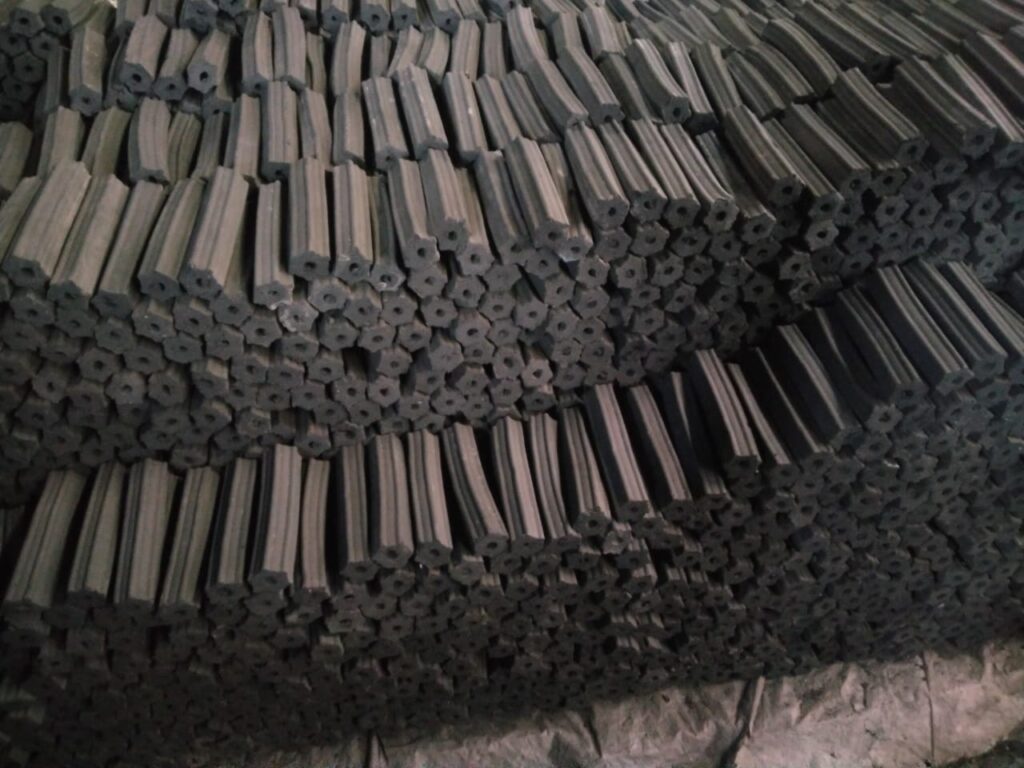
Southeast Asia has quietly become the backbone of the global charcoal trade, and buyers evaluating where to source wholesale charcoal briquettes almost always end up comparing Vietnam and Thailand at some point in their research. Both countries export to restaurants, retailers, and distributors across the Middle East, Europe, and East Asia, yet the two markets differ meaningfully in scale, product range, and long term reliability. This article breaks down the practical differences buyers should weigh before committing to a container order from either country, covering everything from raw production capacity to certification standards and the kind of business each country tends to serve best.
Anyone who has spent time browsing supplier directories knows the two countries often show up side by side, sometimes even quoting similar FOB prices per ton. On paper, that can make the decision look like a coin toss. In practice, the differences only become clear once a buyer looks past the price sheet and asks harder questions about production capacity, raw material sourcing, and how each country’s suppliers handle the increasingly strict documentation requirements now expected by buyers in the EU, the Middle East, and East Asia.
Production Scale and Export Capacity
The first question most importers ask when comparing charcoal briquettes wholesale suppliers is simple: can this country actually support my growth over the next few years. Scale matters because a supplier relationship that works fine at one container per quarter can fall apart the moment a distributor tries to buy briquettes in bulk on a monthly schedule.
Vietnam’s Growing Container Volume
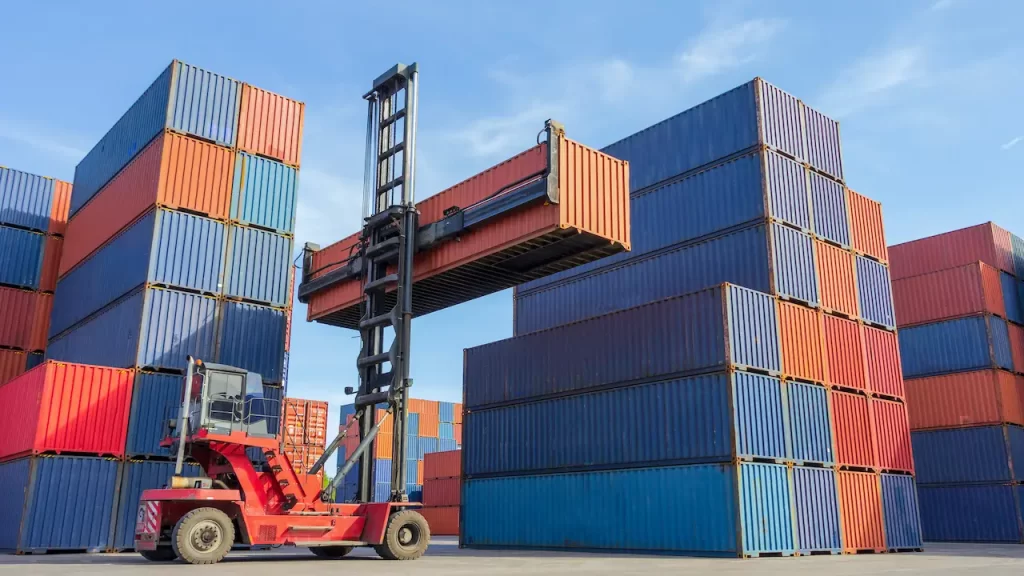
Established Vietnamese factories now handle anywhere from thirty to over one hundred containers per month depending on the producer, a capacity level built on a decade of steady investment in furniture and wood processing byproducts. This scale gives charcoal briquettes manufacturers in Vietnam the flexibility to absorb sudden order increases without long lead times, which matters enormously to distributors who need predictable restocking cycles rather than a supplier who struggles once demand climbs past a certain volume.
Vietnam’s Growing Container Volume
Thailand’s Smaller and Steadier Output
Thailand’s charcoal briquette industry, by comparison, tends to run leaner. Many Thai factories export more than ninety percent of their output, and the sector has built a solid reputation for reliability, but the overall production base is narrower than Vietnam’s. Market research on the Thai charcoal briquette sector points to relatively flat growth over the coming years, suggesting the country is unlikely to expand capacity dramatically in the near term. For buyers who need briquettes bulk buy arrangements at growing volumes year over year, this ceiling is worth factoring into a long term sourcing decision.
Product Range and Raw Material Diversity
Beyond raw output, the two countries differ in what they can actually put inside a container, which shapes how easily a distributor can consolidate multiple product lines under one supplier relationship.
Vietnam’s Multi Species Advantage
Vietnamese briquettes charcoal suppliers typically draw from a wide raw material base including sawdust, bamboo, longan, eucalyptus, and khaya wood, which lets a single factory produce sawdust briquettes, hardwood lump charcoal, and even binchotan style white charcoal side by side. This diversity is a major reason global buyers, from Japanese binchotan importers to European BBQ retailers, often settle on one Vietnamese partner rather than juggling several regional suppliers. A distributor stocking both economy and premium product lines can frequently source everything from a single charcoal briquettes wholesale suppliers relationship in Vietnam.
Thailand’s Fruitwood Specialty
Thailand’s strength lies in a narrower but distinctive niche. Thai producers are known for fruitwood and select hardwood charcoal that appeals to buyers chasing a particular flavor profile for premium grilling, and the country has built credibility supplying charcoal specifically to metallurgical and BBQ applications. This specialization works well for boutique buyers who want a differentiated product, but it means importers looking for a full catalog spanning economy briquettes through binchotan often still need a second supplier to round out their offering.
Pricing and Total Landed Cost
Price comparisons between countries rarely tell the full story unless buyers look past the factory quote and account for the entire shipping and compliance chain.
FOB Price Comparison
Published FOB pricing for Thai charcoal briquettes commonly falls in a similar band to Vietnamese product, though exact numbers shift with wood species, ash content specifications, and calorific value requirements. Vietnam’s larger production base and more diversified raw material sourcing generally give it more room to hold competitive pricing even during periods of raw material shortage, since factories are not dependent on a single wood source. This matters to any distributor trying to buy briquettes in bulk on a recurring schedule without price volatility disrupting their retail margins.
Freight and Logistics Considerations
Shipping routes and port infrastructure also factor into total landed cost. Both countries ship regularly to Europe, the Middle East, and East Asia, so transit times are broadly comparable, typically four to six weeks depending on the destination port. Buyers should request FOB and CIF quotes from both Vietnamese and Thai charcoal briquettes distributors before comparing prices side by side, since freight cost differences can sometimes outweigh a small gap in factory gate pricing.
How Certification and Compliance Shape Quality Control
For buyers shipping into the EU or other regulated markets, documentation has become just as important as the product itself.
FSC and ISO Adoption
Vietnam has invested heavily in export compliance infrastructure over the past several years, and a growing share of established charcoal briquettes manufacturers there now hold FSC and ISO certification alongside SGS testing reports. This documentation has become close to a requirement for buyers shipping into markets with strict timber legality rules. Thailand’s export sector also maintains solid quality reputations, particularly for premium export grade product, but certification coverage across the wider supplier base tends to be less consistent than what buyers now find among Vietnam’s larger, more established factories.
Factory Transparency
Both countries include suppliers willing to host factory visits and provide batch level testing data, but buyers report that Vietnamese factories, driven by intense competition among wholesale briquette suppliers targeting the same export markets, have become increasingly proactive about offering virtual tours, documentation packages, and sample shipments before a bulk commitment. This kind of transparency reduces risk substantially for a first time buyer entering either country’s supply chain.
Sustainability and Raw Material Longevity
Sustainability has moved from a marketing talking point to a genuine sourcing concern for many European and Middle Eastern buyers, particularly as retail chains face growing pressure to disclose supply chain origins.
Vietnam’s Byproduct Based Model
A large share of Vietnam’s sawdust briquette production relies on offcuts and waste generated by the country’s furniture manufacturing industry, meaning the raw material stream does not depend on cutting new trees specifically for charcoal. Combined with fast growing bamboo as a secondary input, this gives Vietnamese charcoal briquettes manufacturers a genuinely renewable raw material story that resonates with buyers who need to answer sustainability questions from their own retail customers.

Vietnam’s Byproduct Based Model
Thailand’s Forest Dependent Supply
Thailand’s fruitwood and hardwood charcoal, while high quality, tends to rely more directly on managed forest and orchard sources rather than industrial byproducts. This is not necessarily a red flag, since many Thai producers operate under sustainable harvesting practices, but buyers should request species level sourcing documentation to confirm long term supply stability, particularly if they plan to build a multi year purchasing relationship around a specific wood type.
Restaurant Chains vs Retail Distribution: Matching Supplier to Use Case
The right supplier often depends less on the country itself and more on how the charcoal will actually be used once it lands.
When Thailand’s Specialty Product Wins
Boutique grilling concepts, high end steakhouses, and BBQ chains chasing a very specific fruitwood or hardwood flavor profile are often better served by a Thai supplier, since the differentiated product justifies a smaller order volume and a narrower supplier relationship. In these cases, consistency within a single specialty product matters more than breadth of catalog.
When Vietnam’s Breadth Wins
Retail distributors stocking supermarket shelves, multi brand hospitality groups, or importers running a private label program across several price tiers tend to benefit more from Vietnam’s wider catalog. Being able to source everyday wholesale charcoal briquettes, mid tier lump charcoal, and premium binchotan from the same charcoal briquettes wholesale suppliers relationship simplifies logistics, reduces the number of vendor relationships to manage, and often unlocks better overall pricing through consolidated volume.
Which Country Fits Your Business Model
The right choice ultimately depends on what a buyer is trying to build. Importers who want one supplier capable of covering economy wholesale charcoal briquettes, mid tier lump charcoal, and premium binchotan under a single private label program will generally find Vietnam a more efficient long term partner, given its broader raw material base, larger production capacity, and stronger certification coverage. Buyers seeking a narrower, differentiated product such as fruitwood charcoal for a boutique grilling concept, or those already satisfied with a smaller, steady volume relationship, may find Thailand’s specialized offering perfectly adequate.
For distributors planning to scale their charcoal briquettes wholesale suppliers relationship over several years rather than a single seasonal order, Vietnam’s combination of production scale, product diversity, and compliance infrastructure gives it a practical edge. Buyers are still encouraged to request samples and documentation from both countries before finalizing a contract, since supplier quality varies within each market regardless of the country’s overall reputation.
Final Thoughts
Vietnam and Thailand both remain credible sourcing destinations for charcoal briquettes wholesale suppliers, and neither should be dismissed outright. But for importers who want to consolidate multiple product categories, scale volume over time, and work with charcoal briquettes manufacturers that already meet EU level compliance expectations, Vietnam currently offers the stronger overall package. The country’s byproduct driven raw material base, larger factory capacity, and growing certification coverage give it a practical edge for buyers planning a multi year sourcing relationship rather than a single opportunistic order.
That said, country reputation is only a starting point, not a substitute for due diligence. Buyers weighing a briquettes bulk buy decision between the two markets should still request full compliance documentation, product samples, and transparent FOB and CIF pricing from more than one factory in whichever country they choose, since quality and reliability can vary significantly even among suppliers operating in the same market.
Talk to Tu Charcoal Before You Decide
If Vietnam’s broader product range and certification coverage sound like the right fit for your business, Tu Charcoal can walk you through our full catalog, from wholesale charcoal briquettes to premium binchotan, along with FSC and ISO documentation and flexible MOQs for a first trial order. Get in touch to request samples, compare FOB pricing, or arrange a factory visit before you commit to a container.
