


Industry News, Insider News
Top Briquettes Charcoal Suppliers Exporting to Greece in 2026
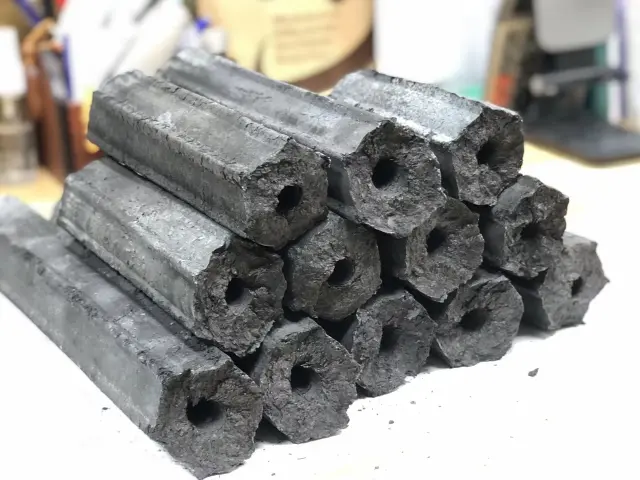
Greece has quietly become one of the more interesting destinations for charcoal exporters in Southern Europe. Between a grilling culture that runs almost year round, a hospitality sector that never really slows down, and a growing appetite for cleaner burning fuel, Greek importers are actively searching for dependable briquettes charcoal suppliers who can deliver consistent quality at container scale. This guide walks through why the market is heating up, what buyers are actually looking for, which suppliers are worth watching, and how to evaluate briquettes charcoal suppliers before signing a purchase order.
Whether you are a distributor stocking supermarket shelves in Athens, a hospitality group supplying tavernas across the islands, or an importer testing the waters with a first shipment, the questions are largely the same. Who can you trust, and which product category, wholesale charcoal briquettes, lumpwood charcoal wholesale, or binchotan charcoal wholesale, actually fits your customer base.
Why Greece Is a Growing Market for Briquettes Charcoal Suppliers
Greece’s charcoal demand does not follow the same seasonal curve as colder European markets. Grilling is embedded in daily food culture rather than confined to a few warm months, so importers need a year round supply chain rather than a single seasonal restock. That steady demand is exactly why briquettes charcoal suppliers based in Asia have started paying closer attention to Greek buyers, who tend to place smaller but more frequent orders compared to Northern European clients that stock up heavily before summer.
The Souvlaki and Taverna Culture Driving Demand
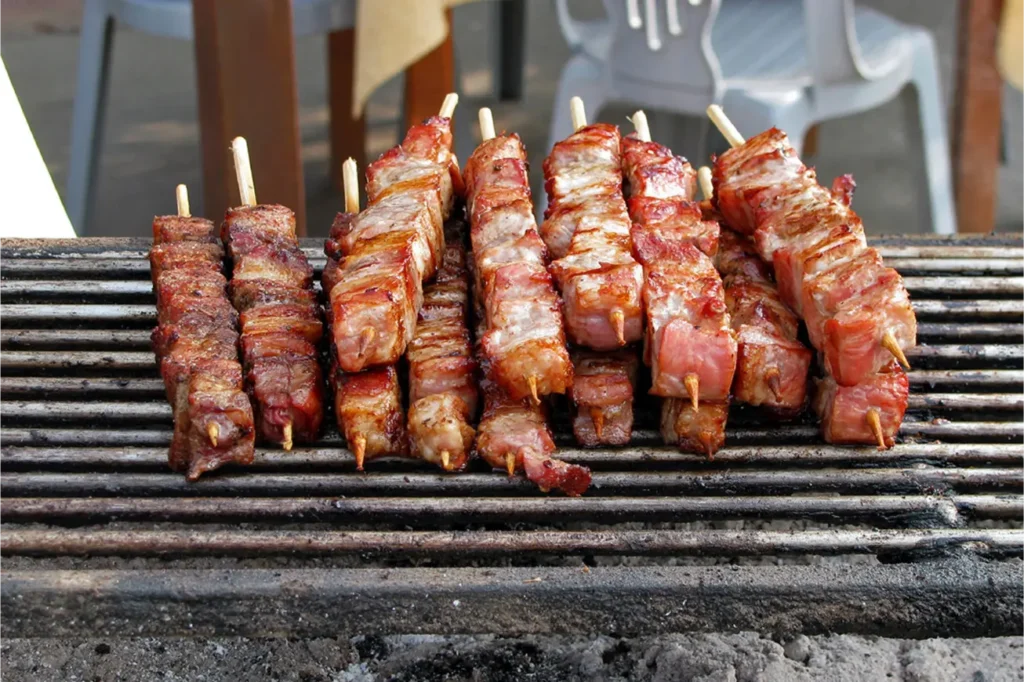
Souvlaki, gyros, and grilled seafood are not seasonal specialties in Greece. They are daily staples served in thousands of tavernas, street stalls, and family restaurants across the country. This creates a baseline of demand for wholesale charcoal briquettes that simply does not exist in markets where grilling is a weekend hobby. Restaurant owners need a fuel source that burns evenly over long service hours, produces manageable smoke levels in dense urban settings like Athens or Thessaloniki, and keeps costs predictable across a full year of operation. Briquettes, with their uniform shape and predictable burn rate, tend to outperform irregular lump charcoal in these commercial kitchen scenarios, which is part of why so many Greek buyers specifically search for briquettes charcoal suppliers rather than general charcoal exporters.
The Souvlaki and Taverna Culture Driving Demand
Tourism adds another layer to this demand curve. Coastal resorts and beachfront restaurants scale up grilling operations dramatically from spring through early autumn, and many businesses import charcoal in bulk ahead of the season to avoid mid summer supply gaps. For briquettes charcoal suppliers, this means Greek orders often cluster around a pre season stocking period in the first quarter, followed by a steady replenishment cycle through the busy months.
EU Import Regulations Shaping Supplier Selection
Greece, as an EU member state, applies the bloc’s timber and biomass import regulations to all charcoal shipments, regardless of origin, a detail that catches out inexperienced exporters. The EU Deforestation Regulation and related timber legality frameworks require documentation proving that raw wood material was not sourced from illegally logged or deforested land. Buyers increasingly ask briquettes charcoal suppliers for FSC certification, mill sourcing records, and species level documentation before finalizing a contract, particularly for larger container orders.
This regulatory layer has quietly become a competitive filter. Suppliers who cannot produce clean paperwork are being phased out of serious conversations with Greek importers, even if their pricing looks attractive on paper. Briquettes charcoal suppliers who already operate with ISO and FSC certification find that Greek buyers are willing to pay a modest premium in exchange for reduced customs risk and smoother clearance at ports like Piraeus and Thessaloniki.
What Greek Buyers Look for in Wholesale Charcoal Briquettes
Beyond compliance paperwork, Greek importers evaluate wholesale charcoal briquettes on a fairly consistent set of performance criteria. Understanding these expectations helps explain why some briquettes charcoal suppliers win repeat business while others lose clients after a single shipment.
Burn Time, Heat Output and Low Ash Content
Restaurant kitchens and retail customers alike judge charcoal briquettes primarily on three performance metrics. How long they burn, how much heat they produce, and how much ash residue they leave behind. A batch of wholesale charcoal briquettes that burns hot but inconsistently forces kitchen staff to constantly replenish the grill mid service, slowing operations and frustrating chefs, while high ash content is a practical nuisance in commercial kitchens that need to clean and reset grills multiple times per day.
Reputable briquettes charcoal suppliers address this through raw material selection and compression consistency. Sawdust briquettes made from hardwood offcuts, properly compressed and dried to the correct moisture content, tend to deliver longer and more even burn times than briquettes made from mixed or low density wood waste. Buyers sourcing wholesale charcoal briquettes for restaurant use should request burn time test data rather than relying solely on marketing claims.
Certification and Sustainable Sourcing
Certification has moved from being a nice to have to being a baseline requirement for many Greek buyers, particularly those supplying supermarket chains or hospitality groups with formal procurement policies. FSC certification confirms the wood raw material comes from responsibly managed forests, while ISO 9001 certification signals a structured quality management system. SGS testing reports and MSDS documentation round out the compliance package serious briquettes charcoal suppliers should provide on request, and factories that invest in this compliance tend to also invest in quality control processes that improve consistency in the finished bbq charcoal wholesale product.
Top Briquettes Charcoal Suppliers Worth Considering for the Greek Market
Greek importers rarely rely on a single country of origin. Instead, most build a shortlist that balances price, product range, and shipping reliability. The following overview groups the leading sourcing regions and the type of supplier commonly found within each, which should give buyers a practical starting point when building their own supplier shortlist.
Vietnam: Full Range Manufacturers with Private Label Capability
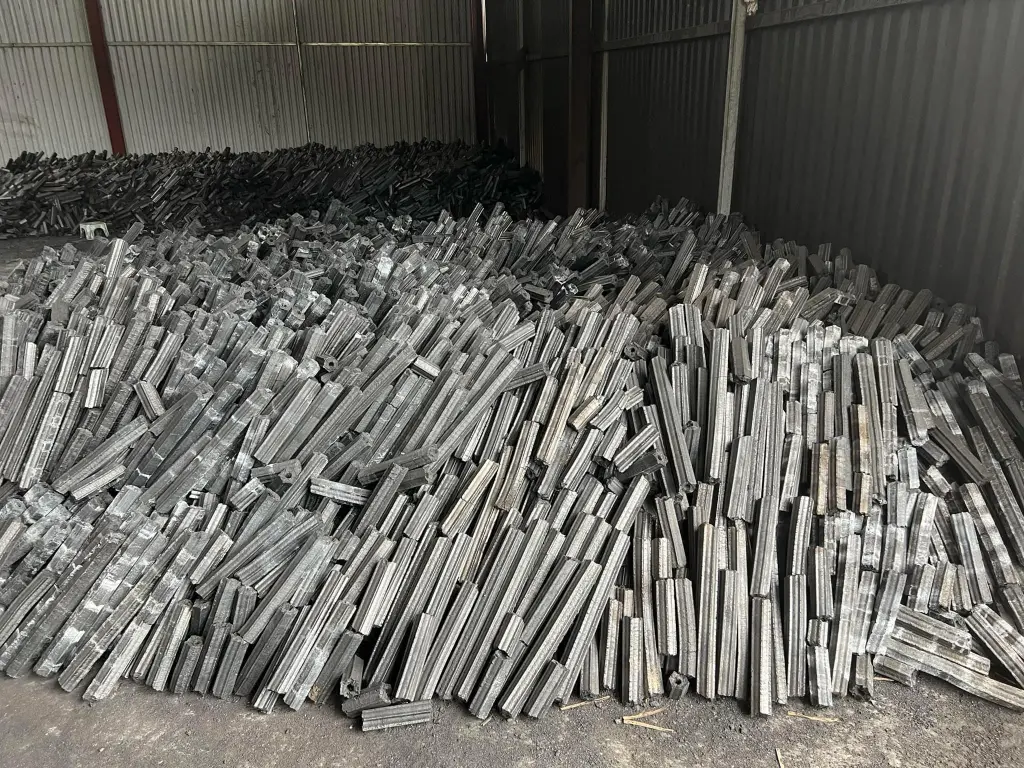
Vietnamese briquettes charcoal suppliers have built a strong reputation for offering the widest product range from a single factory, spanning sawdust briquettes, bamboo briquettes, hardwood lump charcoal, and binchotan style white charcoal. Tu Charcoal is one of the more established names in this category, supplying wholesale charcoal briquettes, lumpwood charcoal wholesale, and binchotan charcoal wholesale to buyers across more than twenty countries, with FSC and ISO certified factory partners and full private label services including custom packaging and multilingual labeling. For Greek importers who want to consolidate multiple product lines under one supplier relationship, Vietnamese factories with this kind of diversified catalog tend to be the most efficient starting point.
Vietnam: Full Range Manufacturers with Private Label Capability
Other Vietnamese exporters worth researching include Happy Viet Co., which focuses on food grade charcoal for restaurants and distributors, and Vietnam Charcoal, a larger scale producer known for high monthly container capacity. Buyers comparing multiple Vietnamese suppliers should request the same documentation package from each, FSC certificates, SGS test reports, and sample burn time data, rather than judging suppliers on price alone.
Indonesia: Coconut Shell Specialists at Competitive Pricing
Indonesia remains the world’s largest exporter of coconut shell charcoal briquettes, a category especially popular for shisha and low ash BBQ applications. Indonesian briquettes charcoal suppliers generally offer some of the most cost effective pricing, supported by an abundant coconut shell raw material supply and decades of export experience. The trade off is that Indonesian factories tend to specialize narrowly in coconut shell products, so importers wanting a broader mix including hardwood lump charcoal or binchotan style products may need a second supplier alongside an Indonesian partner.
Thailand: Fruitwood and Regional Specialty Charcoal
Thai producers have carved out a smaller but relevant niche supplying fruitwood and mixed hardwood charcoal, often favored by buyers looking for distinctive flavor profiles for premium grilling. While Thailand’s export volumes are smaller than Vietnam or Indonesia, some Greek importers sourcing for boutique or specialty food service clients add a Thai supplier to their shortlist for this differentiated angle rather than for general bbq charcoal wholesale volume.
Rather than treating this as a single winner takes all comparison, most experienced Greek importers use a two or three supplier strategy, pairing a primary Vietnamese partner for wholesale charcoal briquettes and premium binchotan charcoal wholesale needs with an Indonesian coconut shell supplier when price sensitive retail volume is the priority. This spreads supply chain risk across two shipping routes while keeping the number of active relationships manageable.
Why Vietnam Keeps Winning New Greek Contracts
Beyond the factory names already mentioned, a few structural factors explain why Vietnam keeps showing up on shortlists of briquettes charcoal suppliers for European buyers. Its furniture and wood processing industries generate large volumes of sawdust and offcut waste that serve as the primary raw material for sawdust briquettes, giving local factories a cost advantage over regions where raw material must be sourced specifically for charcoal production. Fast growing bamboo adds a second raw material stream that supports sustainability claims and price stability, translating into steadier year round pricing for buyers of wholesale charcoal briquettes.
Vietnamese factories have also built substantial export infrastructure over the past decade, shipping to more than twenty countries across Asia, the Middle East, Europe, and North America. Suppliers who have already navigated EU documentation requirements and multilingual labeling for markets like Germany or the UK are far better equipped to handle Greek customs than suppliers exporting for the first time. Standard minimum order quantities typically start around one 40 foot container, roughly 26 to 28 tons, though many factories now offer flexible arrangements for smaller test orders.
Comparing Product Types: Beyond Wholesale Charcoal Briquettes
While wholesale charcoal briquettes cover a large share of Greek demand, serious briquettes charcoal suppliers typically offer a broader product range that lets importers serve different customer segments from a single sourcing relationship.
Lumpwood Charcoal Wholesale for Traditional Grilling
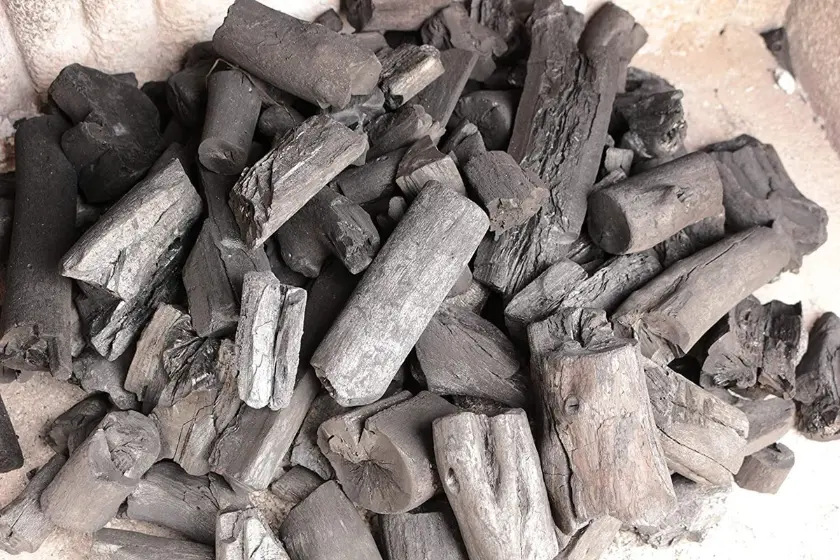
Lumpwood charcoal wholesale remains popular among Greek consumers and restaurants that associate irregular, natural shaped charcoal with authentic outdoor grilling. Lump charcoal made from hardwood species such as longan, eucalyptus, or lychee wood tends to light faster and imparts a more pronounced smoky flavor than compressed briquettes, making it a preferred choice for taverna kitchens that emphasize flavor over burn time efficiency. The trade off is that lumpwood charcoal wholesale products show more variation in piece size and burn duration, since they are less standardized in production. Importers stocking both lines often position lump charcoal as a premium offering alongside more economical wholesale charcoal briquettes, giving retail customers a choice based on budget.
Lumpwood Charcoal Wholesale for Traditional Grilling
Binchotan Charcoal Wholesale for Premium Restaurants
At the top end of the market, binchotan charcoal wholesale has found a growing niche among upscale Greek restaurants, particularly those serving Japanese influenced cuisine or high end grilled seafood. White charcoal produced through the traditional binchotan process burns at very high, stable temperatures with minimal smoke and virtually no flame, characteristics professional chefs value for precision techniques like yakitori style skewering. Binchotan charcoal wholesale commands significantly higher prices than standard briquettes or lump charcoal, but the margin potential attracts importers targeting Greece’s expanding fine dining sector. Suppliers offering eucalyptus or lychee based binchotan alongside their standard catalog give Greek buyers a single source option for both everyday and premium lines.
Top Criteria to Evaluate Briquettes Charcoal Suppliers Exporting to Greece
With product categories and leading sourcing regions established, the harder question for most importers is how to actually vet and select among competing briquettes charcoal suppliers. A handful of practical criteria tend to separate reliable long term partners from one off transactional vendors.
MOQ, Pricing and Container Logistics
Minimum order quantity is often the first filter Greek importers apply, particularly smaller distributors testing a new product category. While full container orders around 26 to 28 tons remain standard for competitive pricing, buyers should look for briquettes charcoal suppliers willing to offer reduced MOQs for trial shipments, even at a modest premium, so quality and shipping reliability can be validated before scaling up. Pricing conversations should also account for full landed cost rather than just factory gate price, since freight rates to Piraeus, customs duties, and EU deforestation regulation documentation fees can shift the total picture meaningfully, and experienced suppliers typically provide FOB and CIF quotes upfront with realistic transit timelines of four to six weeks.
Private Label and Packaging Customization
A growing number of Greek distributors prefer to sell charcoal under their own brand rather than as a generic import, which makes private label capability an important differentiator among briquettes charcoal suppliers. Full service private labeling typically includes custom packaging design, multilingual labeling for EU consumer information requirements, and logo printing on retail ready bags or boxes. Private label wholesale charcoal briquettes offer better margin control than reselling a supplier’s existing packaging, though buyers should confirm private label MOQs separately since they often differ from standard bulk thresholds.
Quality Control and Factory Transparency
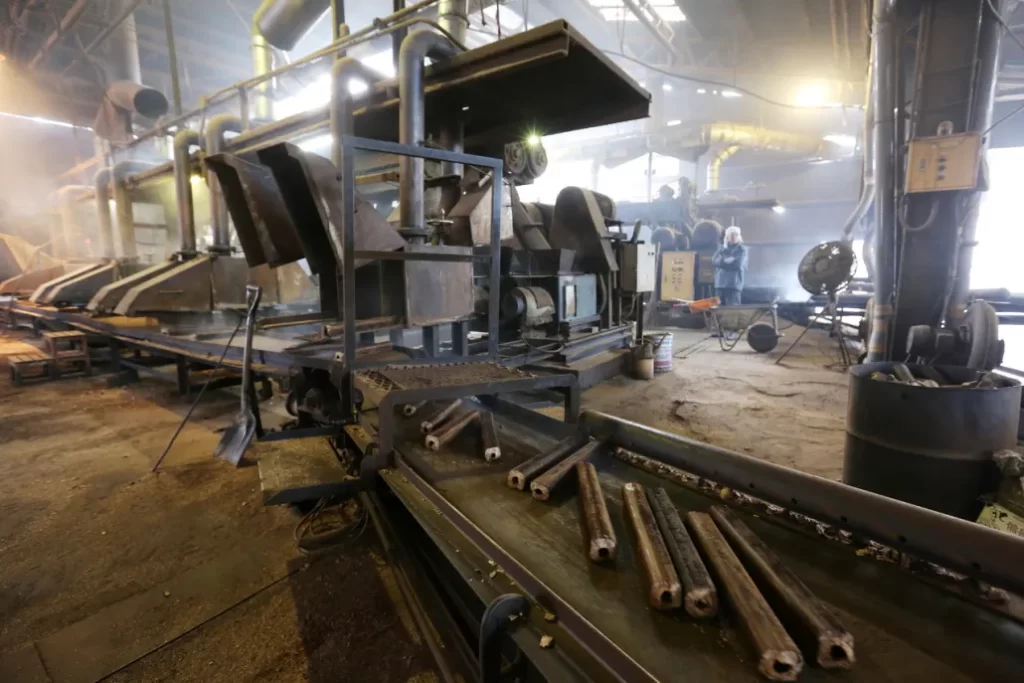
Perhaps the most reliable indicator of a trustworthy supplier relationship is willingness to be transparent about production. Briquettes charcoal suppliers who welcome factory visits, provide batch level testing documentation, and maintain clear quality control checkpoints from raw material selection through final packaging inspection tend to be the safer long term partners, even if their pricing sits slightly above the market average, since direct factory relationships produce more consistent bbq charcoal wholesale quality over time.
Quality Control and Factory Transparency
BBQ Charcoal Wholesale Trends Shaping the Greek Market in 2026
Looking ahead, a few structural trends are reshaping how Greek buyers approach bbq charcoal wholesale sourcing, and briquettes charcoal suppliers who adapt early stand to capture disproportionate market share.
Rising Demand from Tourism and Hospitality Sector
Greece’s tourism sector continues to expand, with coastal regions and island destinations seeing longer operating seasons for restaurants and beach clubs. This directly increases bbq charcoal wholesale consumption, particularly during shoulder seasons that have become more commercially active in recent years. Hospitality groups managing multiple properties are increasingly consolidating charcoal purchasing through fewer, larger supplier relationships to simplify logistics and negotiate better pricing, favoring briquettes charcoal suppliers capable of guaranteeing consistent supply.
Shift Toward Eco Friendly and Low Smoke Products
Urban air quality regulations in cities like Athens have made low smoke, low emission charcoal products more attractive to restaurant operators facing scrutiny over outdoor grilling emissions. This is accelerating interest in compressed sawdust and bamboo briquettes, which generally produce less visible smoke than irregular lump charcoal, alongside continued interest in binchotan charcoal wholesale for its clean burning properties. Briquettes charcoal suppliers marketing verified low ash, low smoke specifications are finding it easier to win contracts with hospitality groups operating in dense urban environments.
How to Start Sourcing from Briquettes Charcoal Suppliers
For importers ready to move from research to action, the sourcing process generally follows a predictable structure, though the details vary between suppliers.
Steps From Inquiry to Delivery
Most reliable briquettes charcoal suppliers follow a similar four stage process starting with a needs assessment call, followed by sourcing and factory inspection to confirm raw material availability and production capacity. Packaging and labeling comes next, particularly for private label orders requiring design approval, and the final stage covers shipping documentation and delivery coordination to the Greek port of entry. Buyers should expect this full cycle to take six to ten weeks, with private label production adding two to three weeks.
Avoiding Common Mistakes When Importing to Greece
First time importers working with new briquettes charcoal suppliers commonly underestimate the documentation requirements tied to EU deforestation regulations, leading to unexpected customs delays. Requesting full compliance documentation, including species specific sourcing records and FSC chain of custody certificates, before finalizing payment terms helps avoid costly hold ups at the port. Another frequent mistake involves ordering a full container without requesting product samples first. Reputable suppliers are generally willing to ship small samples or provide lab test results ahead of a bulk commitment, and buyers who skip this step often discover quality inconsistencies only after receiving a full 26 ton shipment. Starting with a smaller trial order remains the safer approach, particularly for premium categories like binchotan charcoal wholesale where quality variation carries higher financial risk.
Final Thoughts
Greece’s charcoal market in 2026 rewards importers who look past price alone and evaluate briquettes charcoal suppliers on certification, transparency, and production consistency. Whether the priority is affordable wholesale charcoal briquettes for daily taverna use, lumpwood charcoal wholesale for traditional grilling, or binchotan charcoal wholesale for premium dining, the fundamentals stay the same. Verify documentation, request samples before committing to full containers, and favor suppliers willing to open their production process to scrutiny. Vietnamese manufacturers such as Tu Charcoal, alongside established Indonesian coconut shell producers, have positioned themselves as strong candidates for Greek importers seeking dependable long term partners in an increasingly competitive bbq charcoal wholesale landscape.
Read more: Find Premium Bulk Charcoal for Sale: Your Ultimate Grilling & Smoking Source
